
Okika Devices to Exhibit at Embedded World this November

Live demos of FPAA-powered analog computing, sensor front-ends and mixed-signal
prototyping

Anaheim Convention Center — November 4-6, 2025 — Okika Devices, a leader in field-programmable analog arrays (FPAAs) and rapid mixed-signal prototyping tools, today announced it will exhibit at Embedded World 2025 this November at Booth 9055 in Anaheim California.

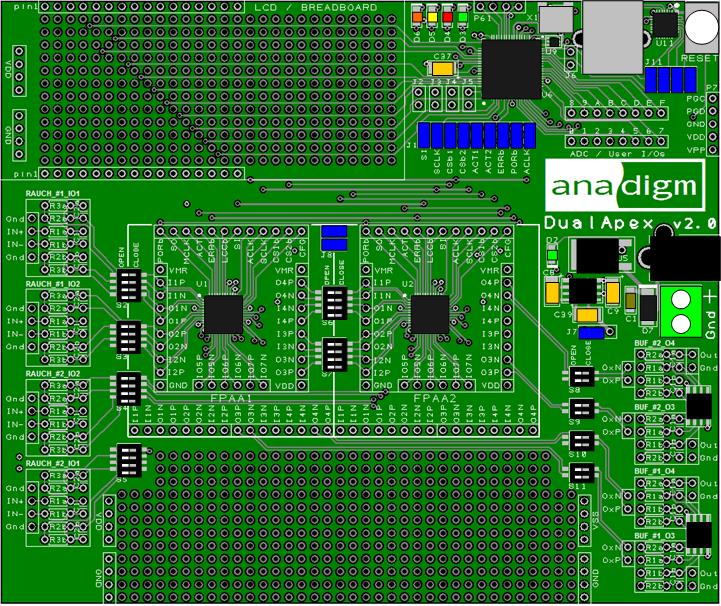
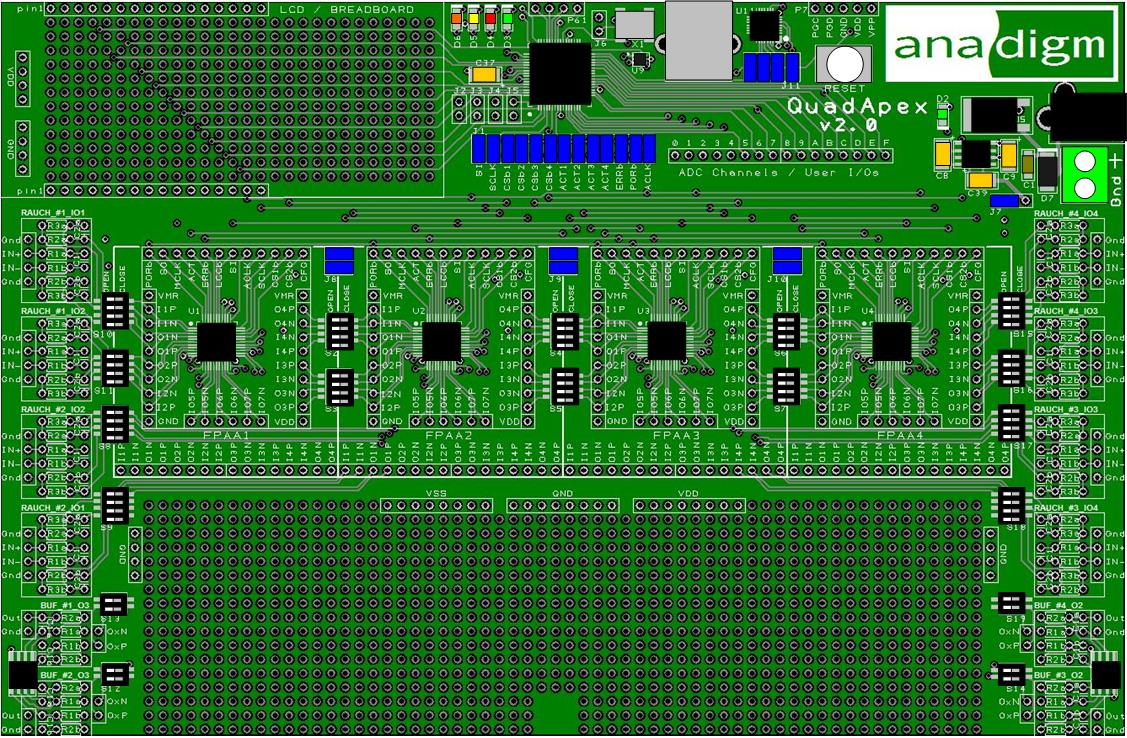
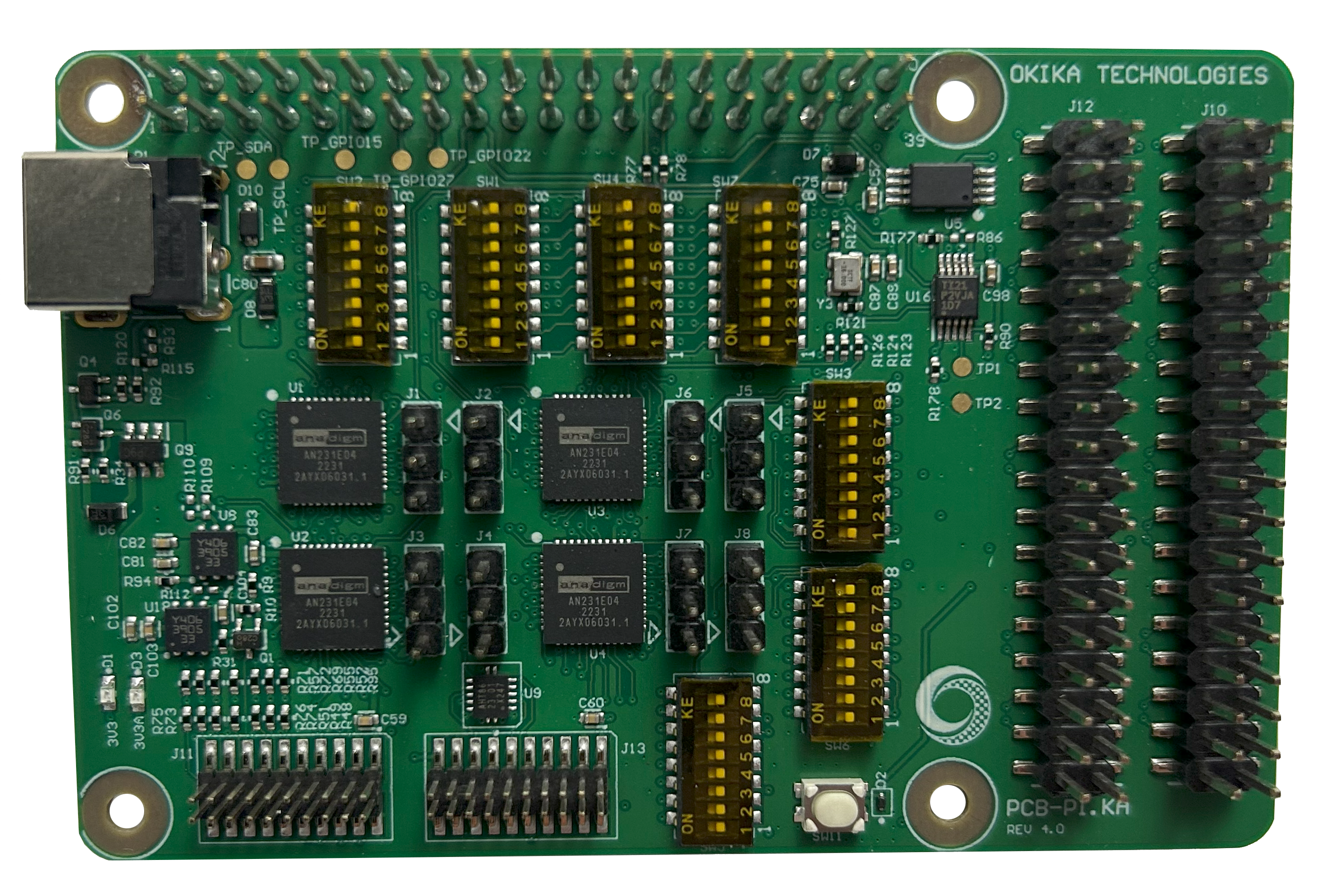
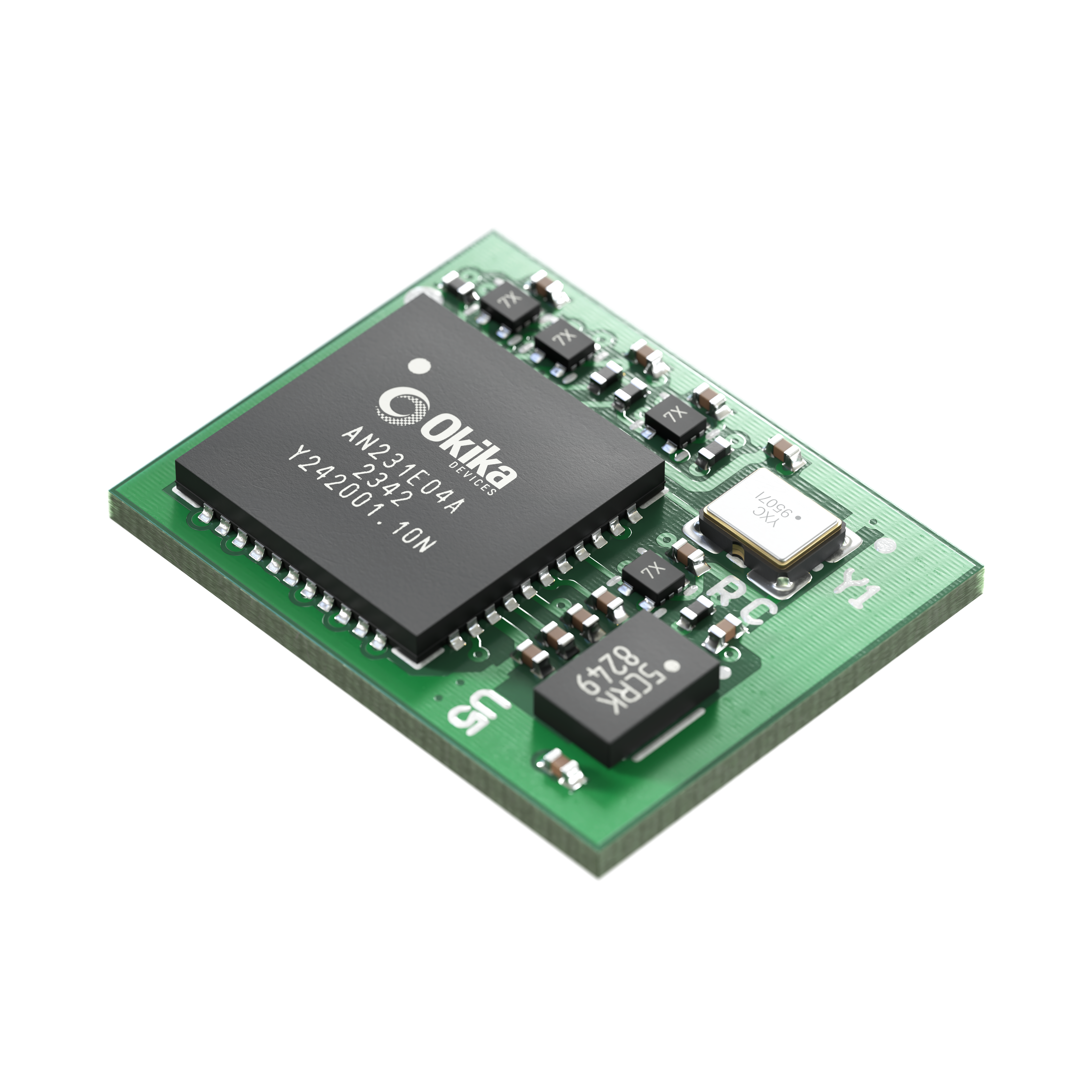
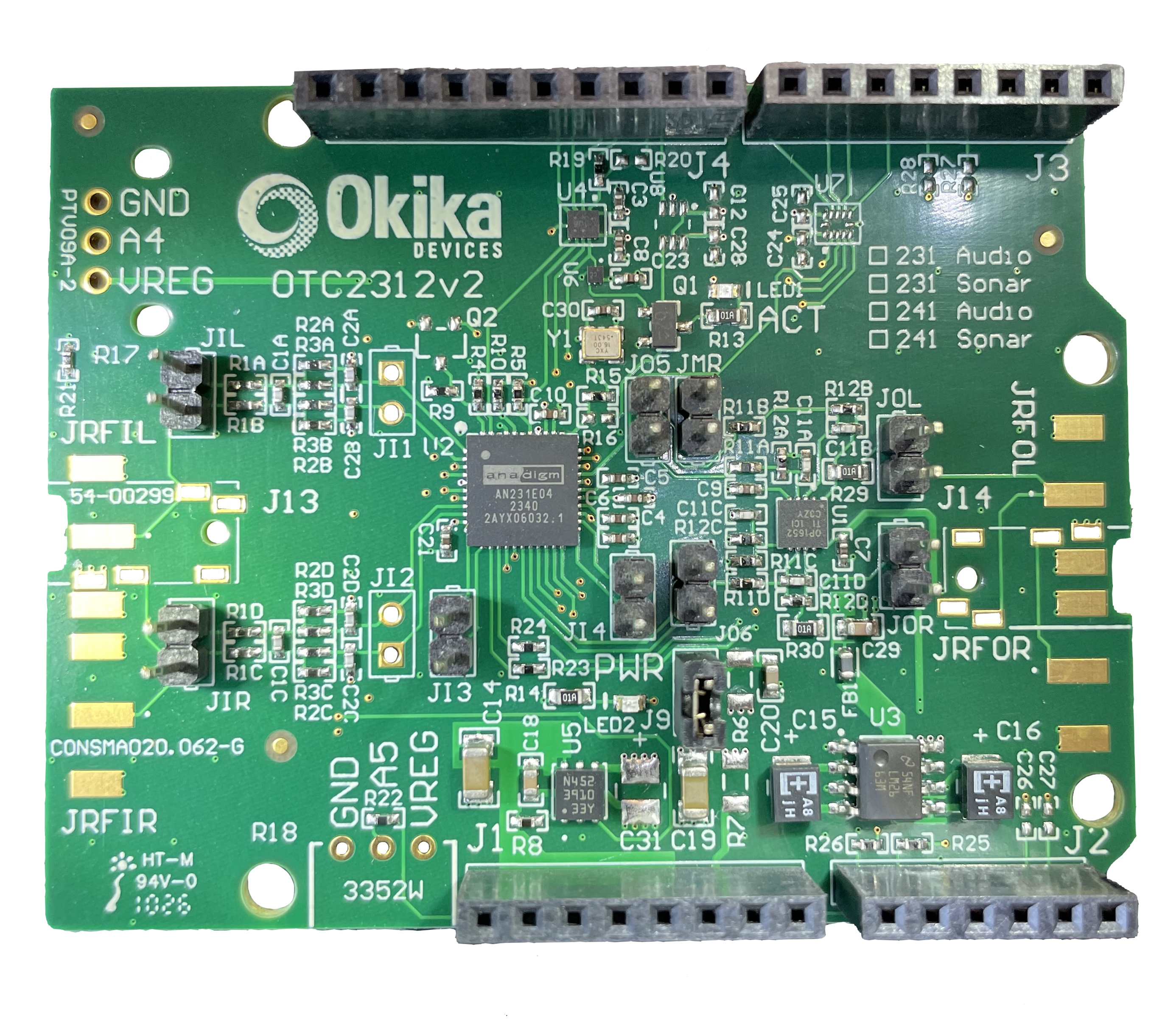
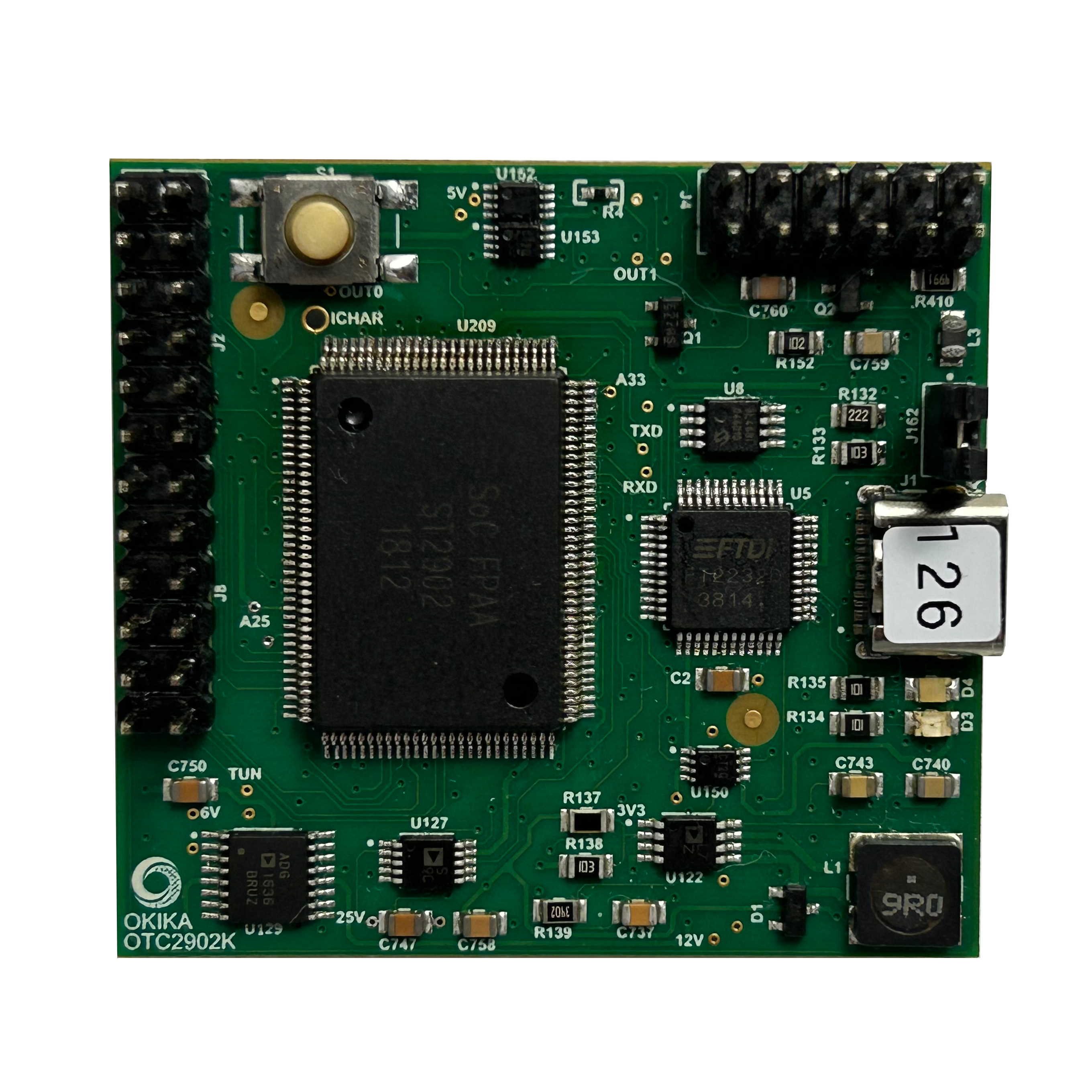
At the show, Okika will showcase how engineers can design, tune, and deploy analog signal chains without custom PCBs, using its FPAA development boards and software. Live demos could include:

  • Adaptive/programmable filters for audio, vibration, and RF-adjacent
    prototyping
  • Low-power sensor front-ends with programmable gain, filtering, and
    thresholding
  • Edge analog compute blocks for pre-processing pipelines (down-sampling,
    feature extraction, compression)
  • Mixed-signal labs-in-a-box for education and rapid proof-of-concepts

“Teams are under pressure to move faster with fewer board spins,” said Michael Hollabaugh, VP Marketing at Okika Devices. “Our FPAA platform lets engineers reshape analog functionality in minutes—right on the bench—so you can validate concepts the same day and arrive at production with confidence.”

Meet with Okika at Booth 9055. Attendees can stop by for a quick session with a tailored walkthrough, discuss application notes, or evaluate fit for upcoming designs.

Share this article

Latest Stories

View all

SoC FPAAs: Unlocking Hidden Knobs in Software-Defined Systems

SoC FPAAs: Unlocking Hidden Knobs in Software-Defined Systems

Software defined systems reshaped digital design, but analog has remained fixed. SoC FPAAs change this by making filters, amplifiers, and sensor front ends fully programmable. They reveal new hidden knobs for adaptive payloads, reconfigurable instrumentation, and low power mixed signal computing. This is the next wave of software defined engineering.

Read more about: SoC FPAAs: Unlocking Hidden Knobs in Software-Defined Systems

How FPAAs Can Save Power in Modern Analog Systems

How FPAAs Can Save Power in Modern Analog Systems

FPAAs improve power efficiency by replacing many always-on analog components with a single device that activates only the circuits a system needs. By reducing idle draw, limiting unnecessary conversions, and streamlining signal paths, FPAAs help engineers build lighter, longer-lasting, and more efficient systems for aerospace, robotics, medical devices, and industrial IoT.

Read more about: How FPAAs Can Save Power in Modern Analog Systems

How FPAAs Future-Proof Modern Analog Designs

How FPAAs Future-Proof Modern Analog Designs

Field Programmable Analog Arrays (FPAAs) let engineers reconfigure analog circuits without full board redesigns, reducing costs and accelerating prototyping. They enable systems to adapt to changing requirements across aerospace, robotics, medical devices, and IoT. This flexibility future-proofs hardware, extends lifetimes, and maintains performance under evolving conditions.

Read more about: How FPAAs Future-Proof Modern Analog Designs