




News & Insights
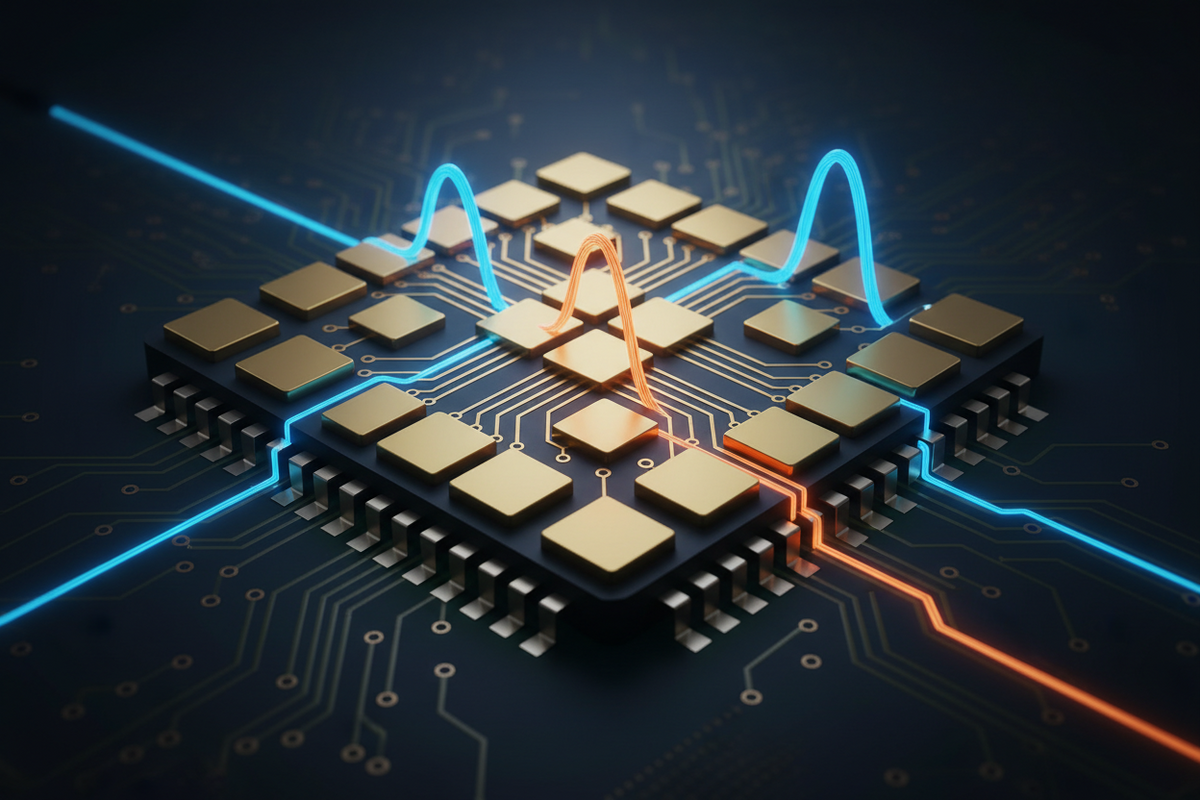
Analog FPGA Explained: What Is an FPAA?
An analog FPGA is best understood as a field-programmable analog array, or FPAA, which brings hardware reconfigurability to analog signal processing. This guide explains how FPAAs work, how they compare with digital FPGAs, and where programmable analog fits in modern embedded and mixed-signal systems.
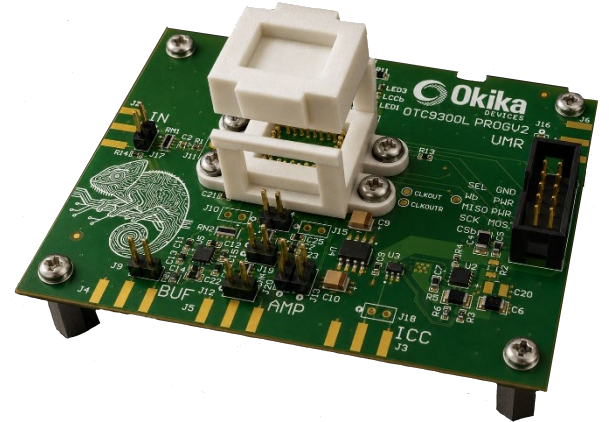
Okika Devices Expands Chameleon™ Platform with New 4th-Order Filters and Programming Board
Okika Devices has expanded its Chameleon™ platform with new 4th-order Butterworth low-pass filter modules and the Chameleon™ Programming Board. The new filters complement the existing 8th-order Chameleon options, while the programming board enables engineers to develop and test custom FPAA configurations. Together, the additions broaden the platform for both ready-to-use filtering and programmable analog development.
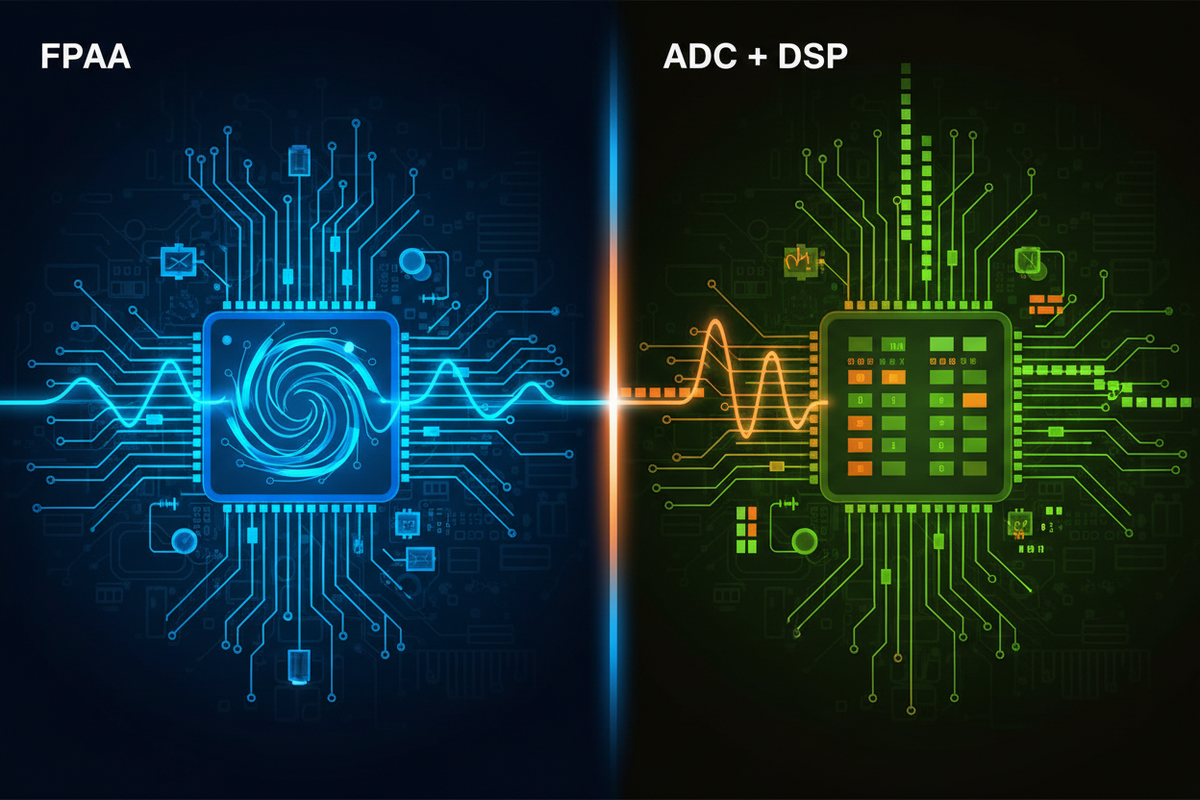
FPAA vs ADC + DSP: Signal Processing
Modern embedded systems rarely choose between analog and digital processing alone. This article compares fixed analog front ends, programmable AFEs, FPAAs, ADCs, and DSPs to show how hybrid architectures can improve signal quality, flexibility, latency, and data efficiency.
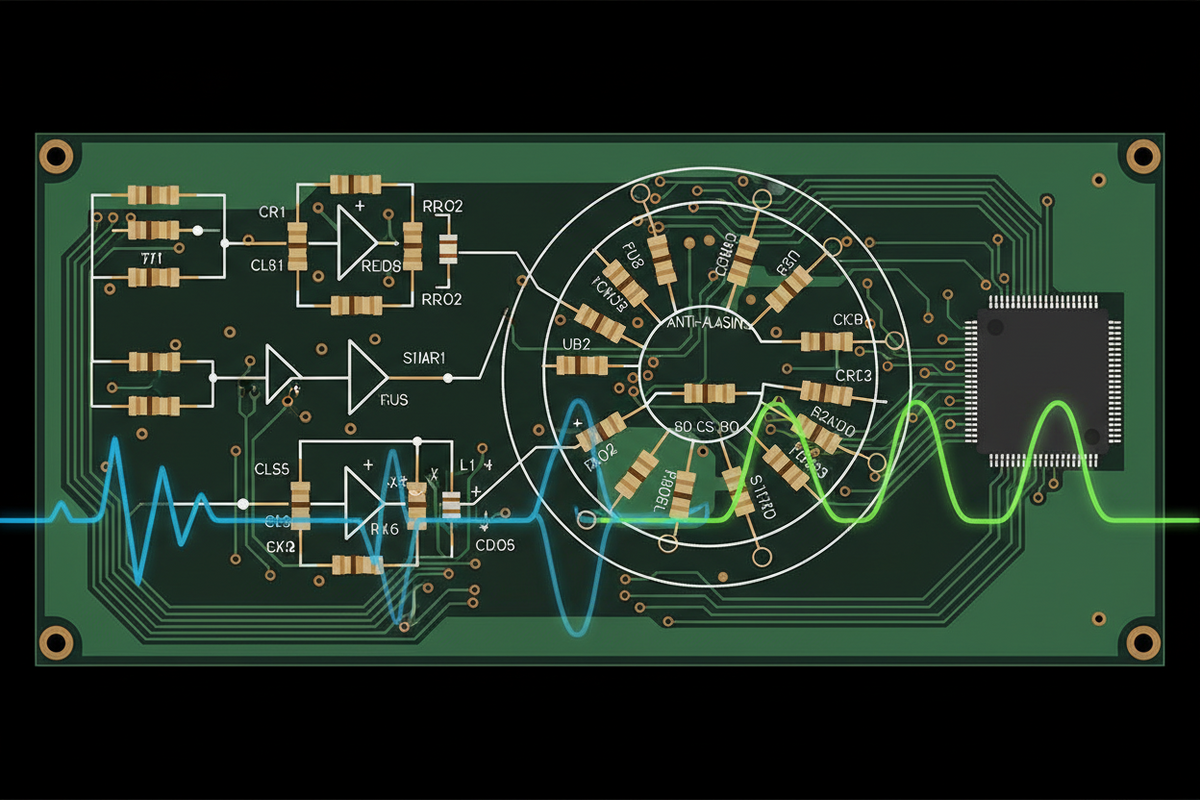
Analog Signal Conditioning Before the ADC
Good ADC performance starts before the signal reaches the converter. Learn how gain, filtering, level shifting, impedance matching, and protection help preserve signal integrity, improve measurement accuracy, and make better use of an ADC’s available range and resolution.
Sensor-Level Intelligence for Military Autonomous Systems Using FPAAs
Explore how FPAAs enable sensor-level intelligence, analog feature extraction, and edge autonomy in military autonomous systems and defense robotics.
Read more about: Sensor-Level Intelligence for Military Autonomous Systems Using FPAAs
Reducing Latency in Robotic Control Systems with Field Programmable Analog Arrays
Autonomous robotic platforms are often discussed in terms of software, sensors, navigation algorithms, and onboard compute. Those layers are important, but they do not tell the whole story. Every robotic system still depends on a physical control loop: a sensor...
Read more about: Reducing Latency in Robotic Control Systems with Field Programmable Analog Arrays
Reducing Lifecycle Risk in Defense Electronics with FPAAs
Modern defense systems demand flexibility across the entire signal chain, not just in software and digital hardware. FPAAs provide a way to reconfigure analog processing without replacing hardware. This approach can help improve adaptability, sustainment, and system longevity.
Read more about: Reducing Lifecycle Risk in Defense Electronics with FPAAs
FPAAs for Sensor Interfaces and ADC Signal Conditioning
Learn how FPAAs help engineers build flexible sensor interfaces, improve ADC performance, reduce redesign cycles, and process signals closer to the source.
Read more about: FPAAs for Sensor Interfaces and ADC Signal Conditioning
Simplify High-Order Analog Filtering with Chameleon™ FPAA Modules
Discover Chameleon™ FPAA low-pass filter modules featuring 8th-order Butterworth filtering, differential signal paths, and production-ready analog signal processing for embedded systems, instrumentation, and sensor conditioning.
Read more about: Simplify High-Order Analog Filtering with Chameleon™ FPAA Modules
Featured collection
Translation missing: en.general.accessibility.sku
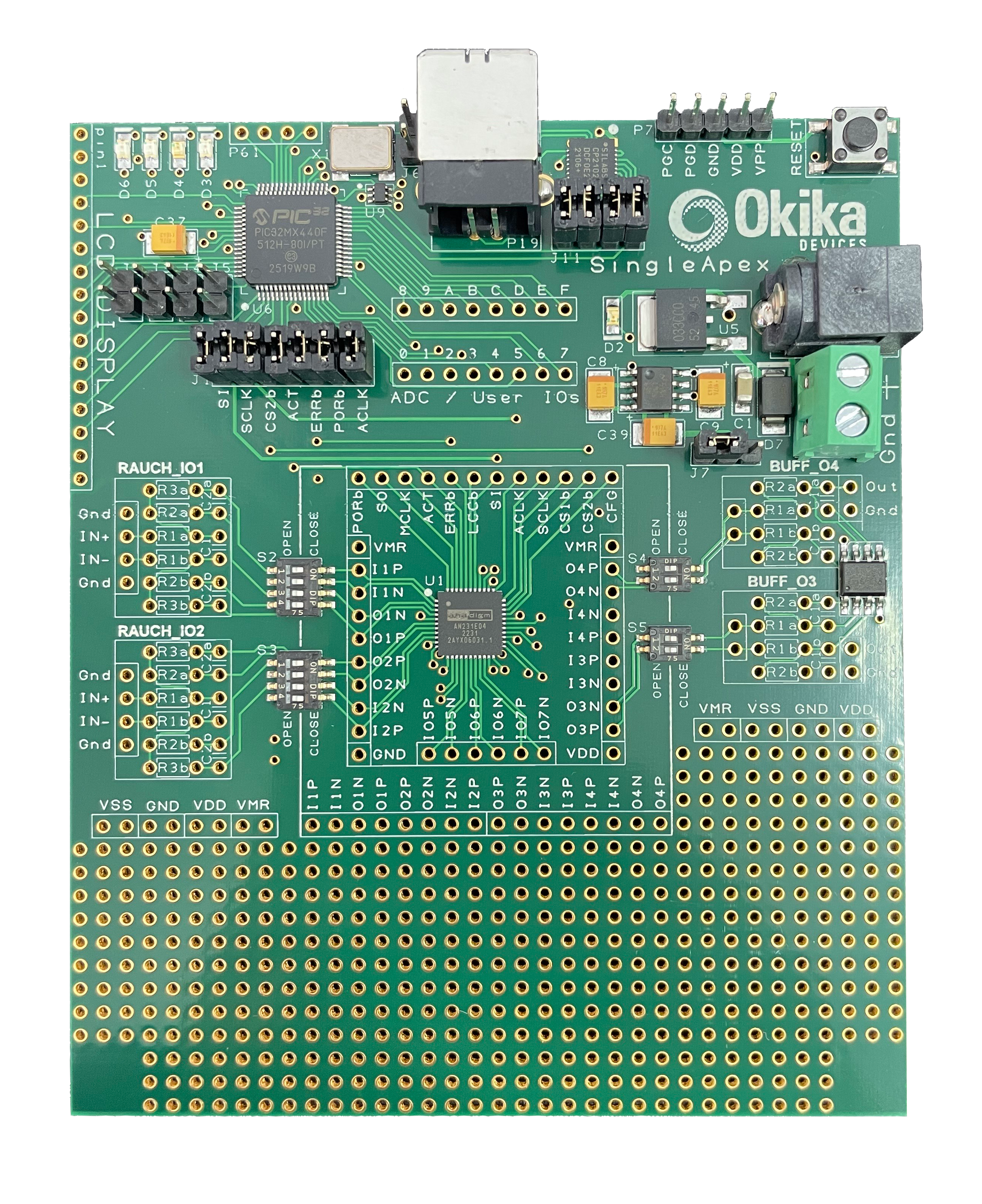
AN231K04-SING1
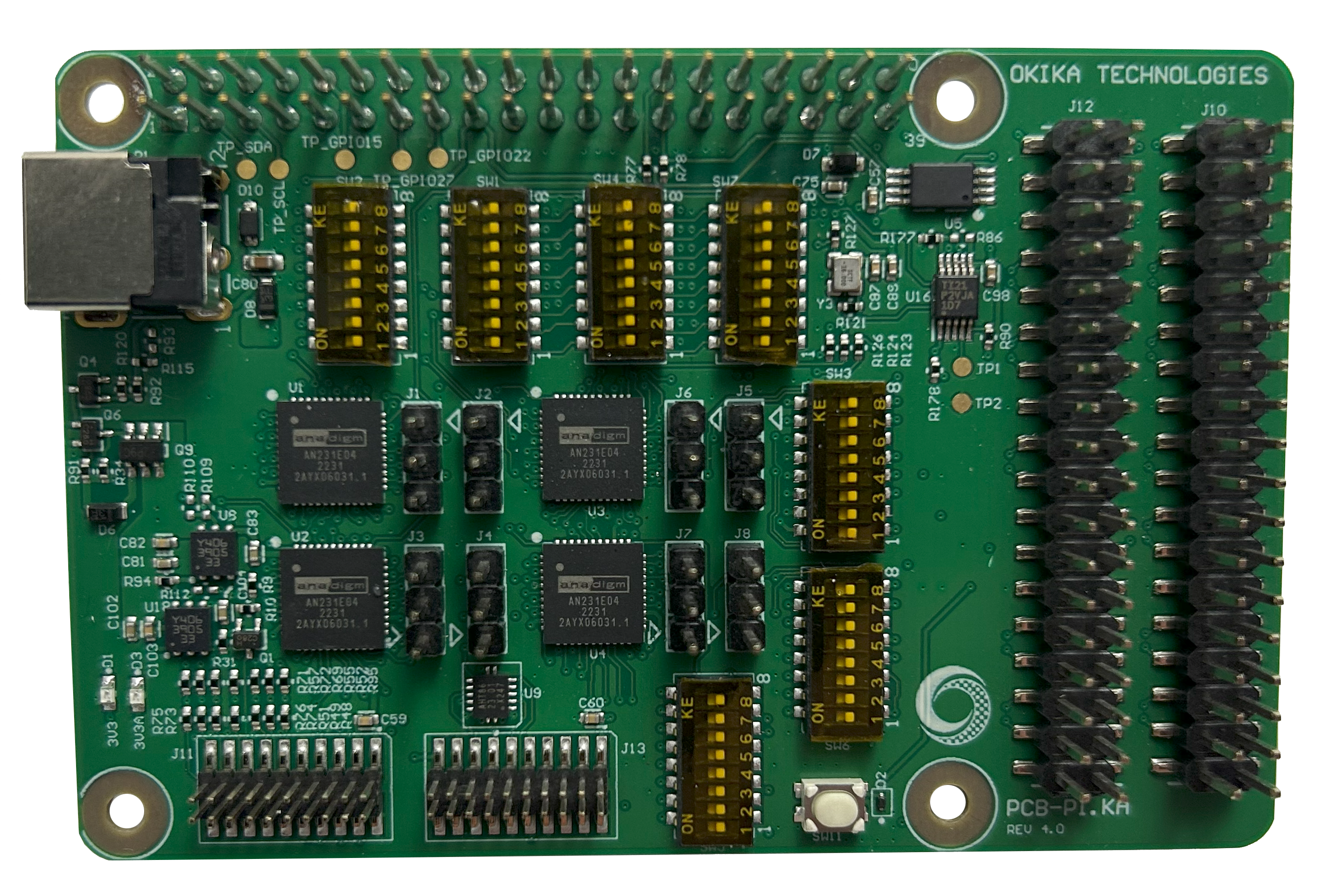
Translation missing: en.general.accessibility.sku
OTC2310K04-PIKA
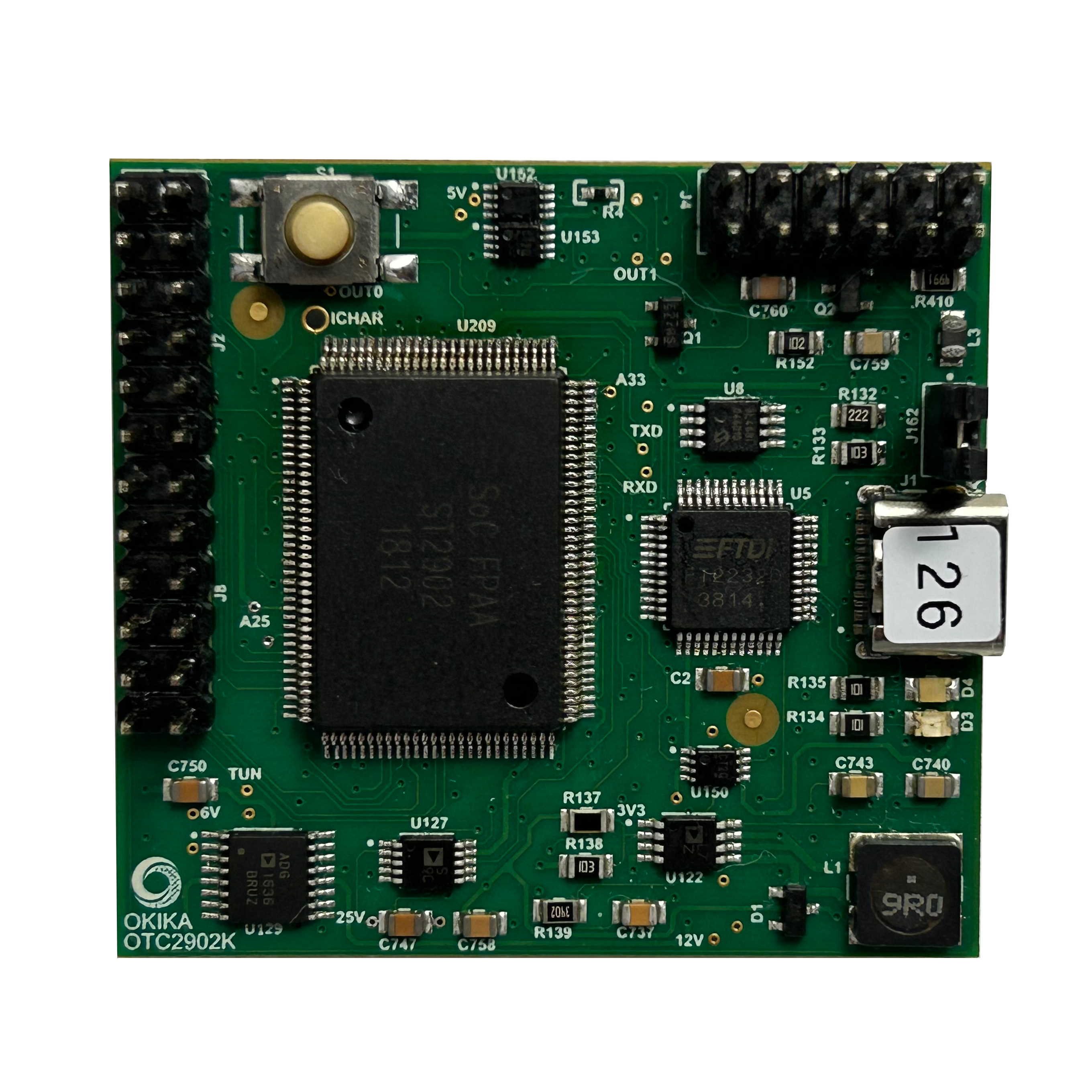
Translation missing: en.general.accessibility.sku
OTC2902K