








News & Insights
FPAA Signal Processing for Hemodynamic Wearables
Researchers developed an FPAA-based wearable system for hemodynamic monitoring that processes bioimpedance signals directly in analog hardware. The design enables real-time cardiovascular feature extraction at nanowatt-level power consumption for long-term wearable use.
Read more about: FPAA Signal Processing for Hemodynamic Wearables
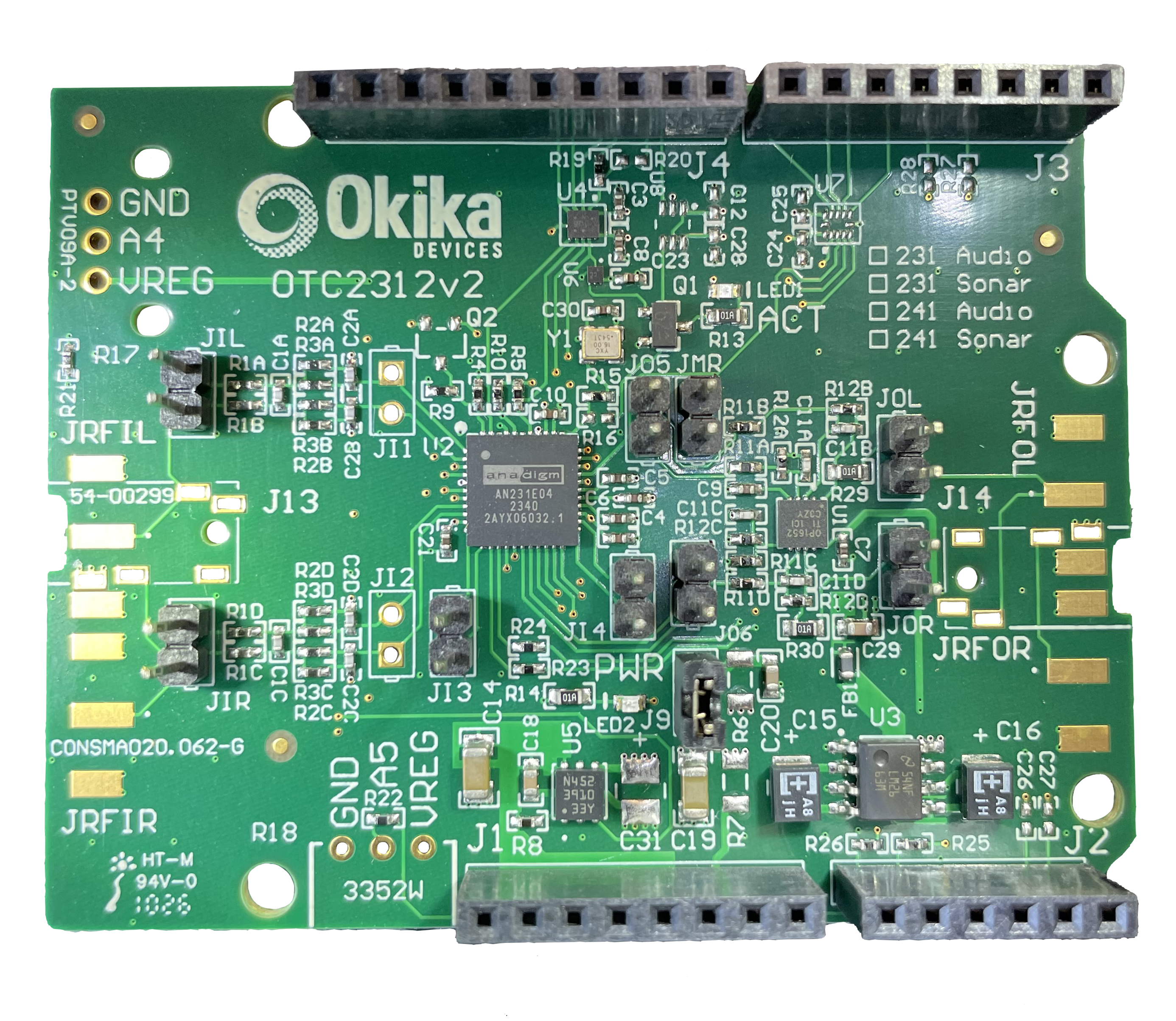
Okika Debuts OTC2312 FlexAnalog™ Arduino Shield
Okika Debuts OTC2312 FlexAnalog™ Arduino Shield bringing programmable analog signal processing to the Arduino Ecosystem enabling real-time configurable analog signal processing for education, prototyping, and advanced embedded applications.
Read more about: Okika Debuts OTC2312 FlexAnalog™ Arduino Shield
FPAA-Based Wearable Knee Health Monitoring Systems
Researchers from San Diego State University and Georgia Tech developed an FPAA-based wearable knee monitoring system that performs motion detection and classification in analog hardware. The design enables continuous knee tracking for rehabilitation at microwatt-level power consumption.
Read more about: FPAA-Based Wearable Knee Health Monitoring Systems
FPAA Vestibular Prosthesis for Real-Time Motion Sensing
FPAA technology enables real-time vestibular prosthesis signal processing by moving motion sensing and neural stimulation into the analog domain. This reduces digital overhead and lowers power consumption while maintaining precise stimulation control. The result is a reconfigurable, low-power approach to implantable balance restoration systems.
Read more about: FPAA Vestibular Prosthesis for Real-Time Motion Sensing
FPAA Wearable Heart Monitoring Without Heavy Power Use
FPAA technology enables real-time heart monitoring in wearable systems by shifting signal processing into the analog domain, removing the need for power-intensive digital pipelines. Cardiac features are extracted continuously at microwatt to nanowatt power levels, supporting always-on operation. This approach points toward wearable physiological monitoring with dramatically reduced energy consumption.
Read more about: FPAA Wearable Heart Monitoring Without Heavy Power Use
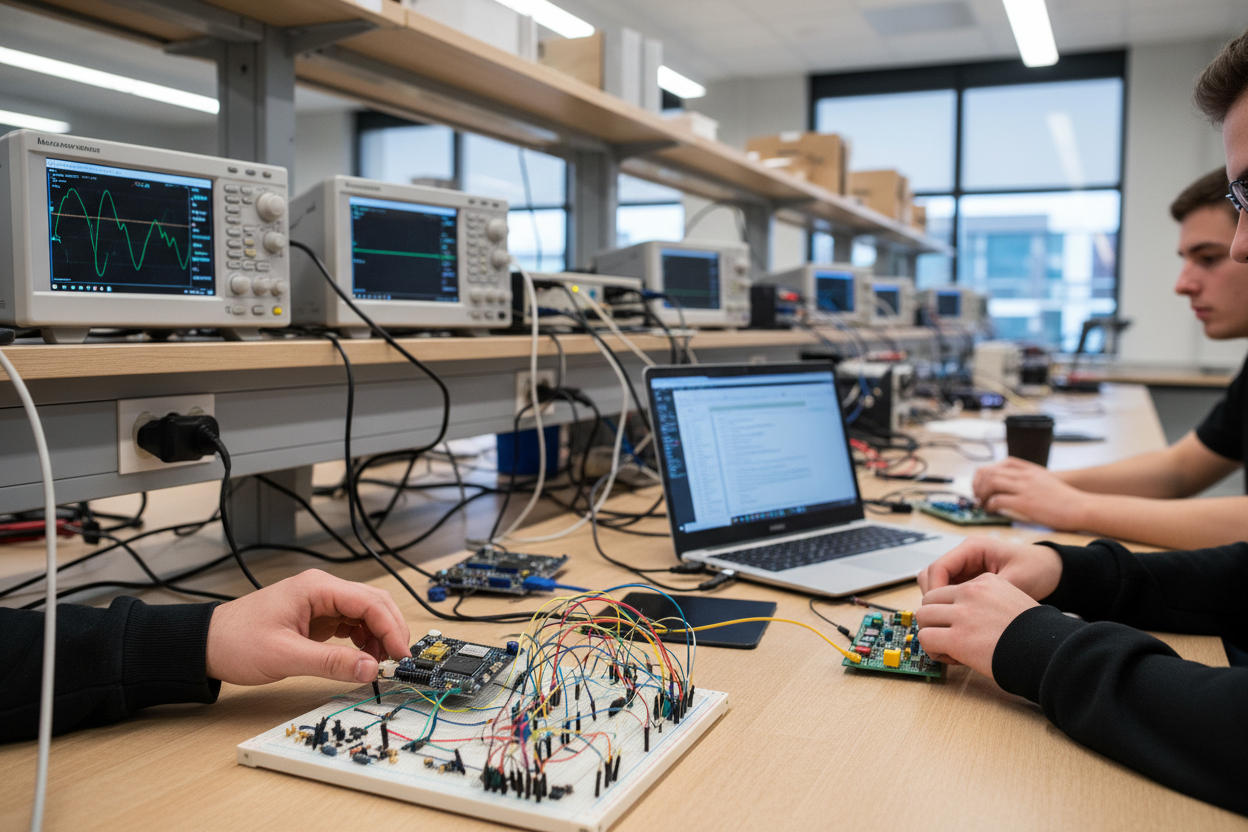
How to Prototype Faster with FPAA Development Boards
Analog prototyping is slow due to component variation, layout effects, and repeated hardware iterations. FPAAs speed this up by using pre-characterized analog blocks that are configured in software.
With FPAA development boards, engineers can adjust filters, gain, and signal paths instantly without redesigning hardware. This makes analog iteration faster, more repeatable, and less dependent on PCB revisions.
Read more about: How to Prototype Faster with FPAA Development Boards
FPAA vs. Discrete Op-Amp Networks: When Simpler Is Actually Harder
Discrete op-amp circuits are easy to design but often require multiple hardware iterations due to layout effects, tolerances, and real-world deviations. This can make convergence slow and unpredictable. FPAAs move much of this iteration into reconfiguration, improving repeatability and reducing sensitivity to PCB and component variation. Discrete designs still fit fixed, high-precision cases, but FPAAs offer faster iteration and more adaptable system behavior.
Read more about: FPAA vs. Discrete Op-Amp Networks: When Simpler Is Actually Harder
Re-Architecting Edge AI at the Sensor Boundary with FPAA
Re-architect Edge AI at the sensor boundary. See how FPAA analog feature extraction reduces over-digitization and improves system-level efficiency.
Read more about: Re-Architecting Edge AI at the Sensor Boundary with FPAA
Building a High-Sensitivity EKG with the Okika FPAA Sing1
Explore a hands-on experiment using the Okika FPAA Quad4 to unlock cleaner EKG signals and precise Wheatstone measurements through reconfigurable analog design.
Read more about: Building a High-Sensitivity EKG with the Okika FPAA Sing1
Featured collection
Translation missing: en.general.accessibility.sku
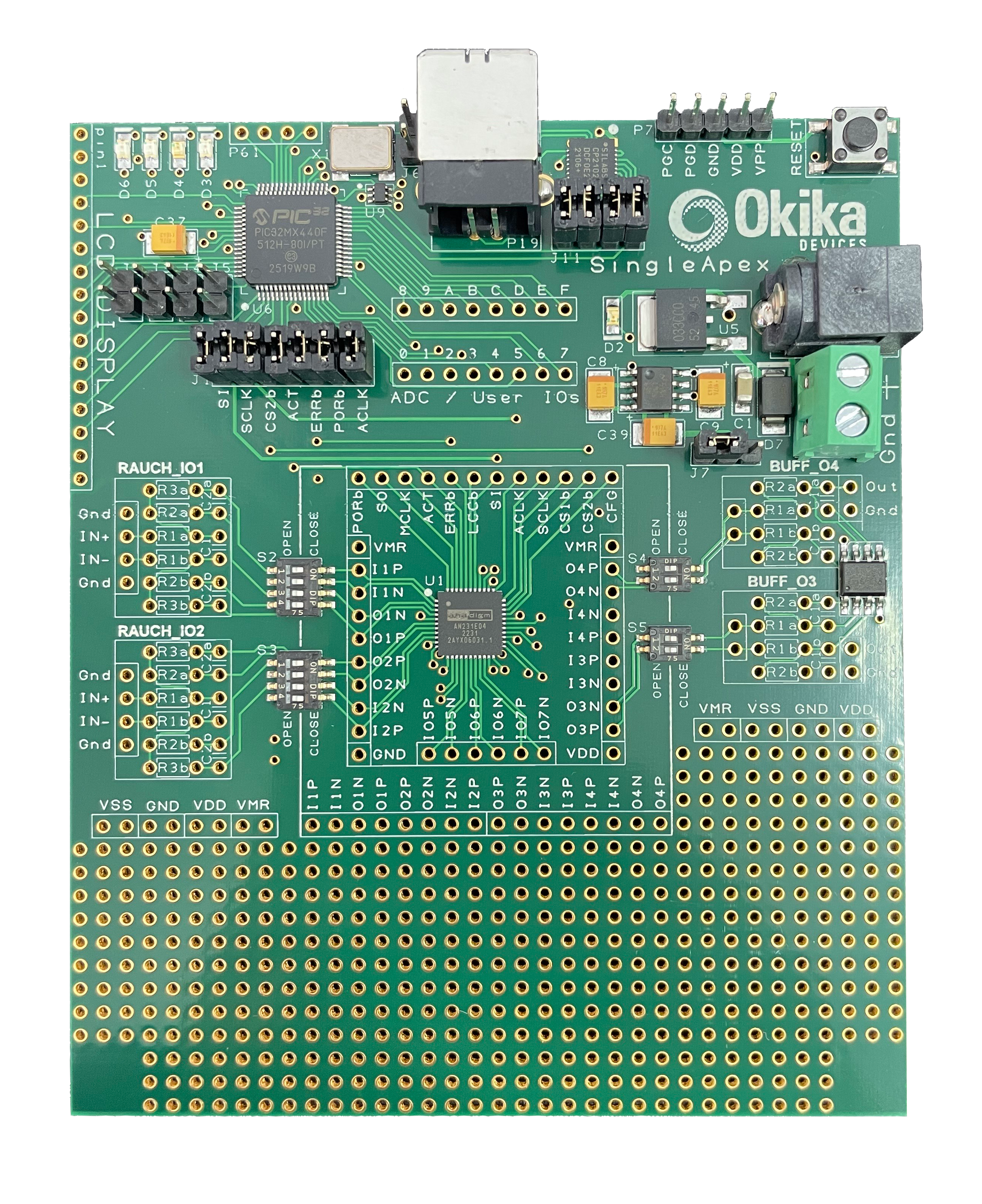
AN231K04-SING1
Translation missing: en.general.accessibility.sku
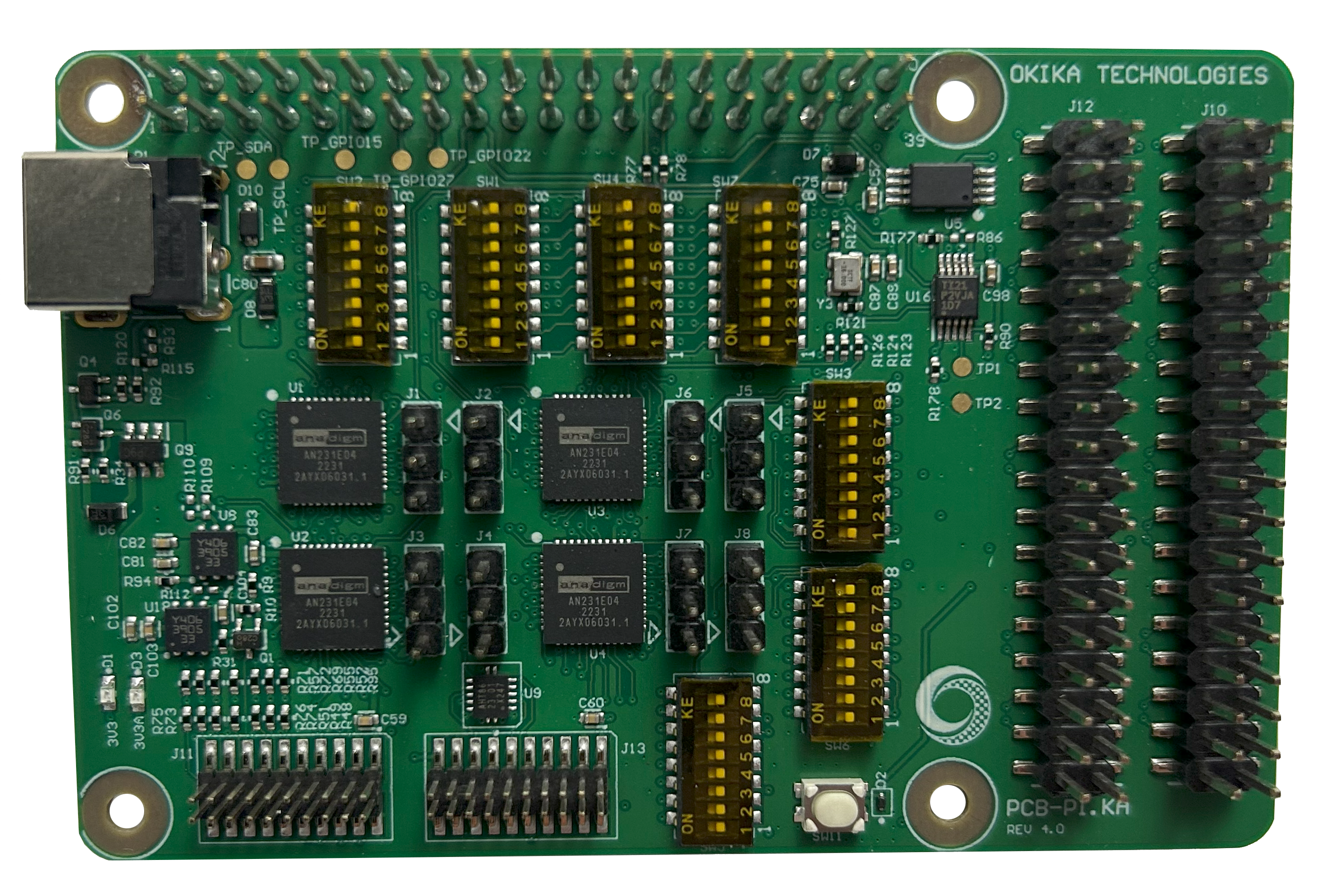
OTC2310K04-PIKA
Translation missing: en.general.accessibility.sku
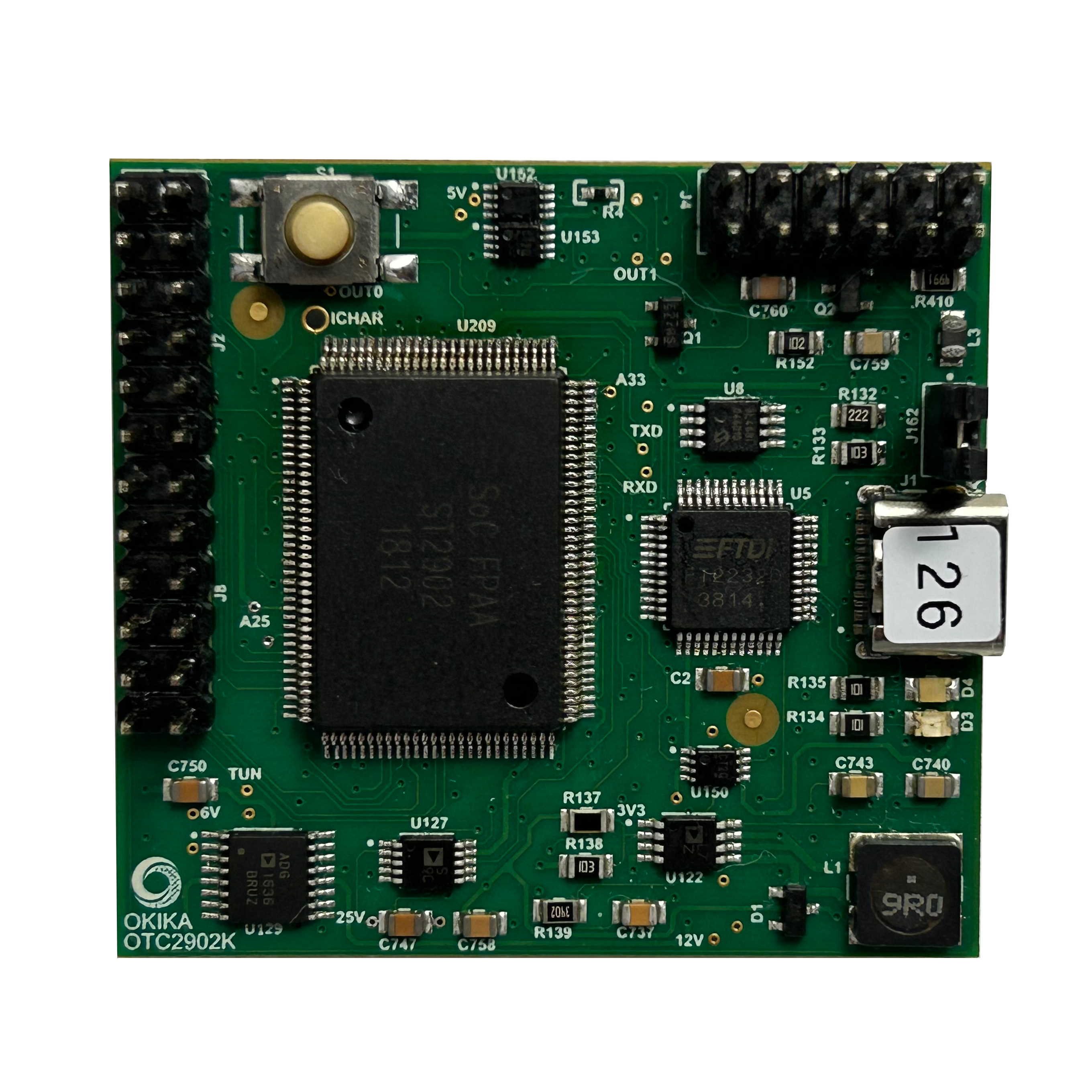
OTC2902K