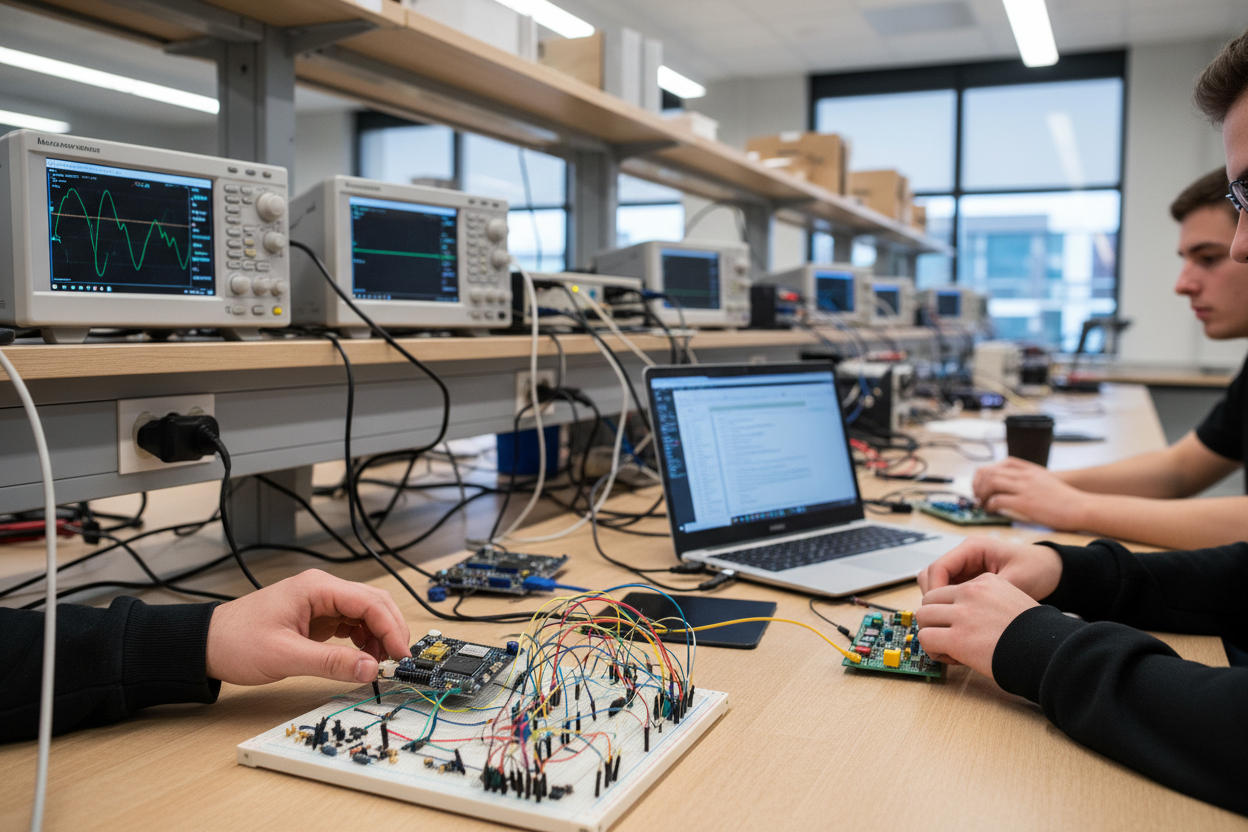
Analog prototyping is slow. Every component introduces potential variation. Even small changes in resistors, capacitors, or routing can shift performance enough to require another board iteration. A simple low-pass filter or amplifier can take multiple passes before it meets specifications.
Field Programmable Analog Arrays (FPAAs) change that. They provide pre-characterized analog blocks that can be connected in software. Engineers can test topologies, tweak parameters, and iterate quickly without resoldering. Hardware remains stable. Time is spent on function, not rebuilding circuits.
Why FPAA Development Boards Accelerate Prototyping
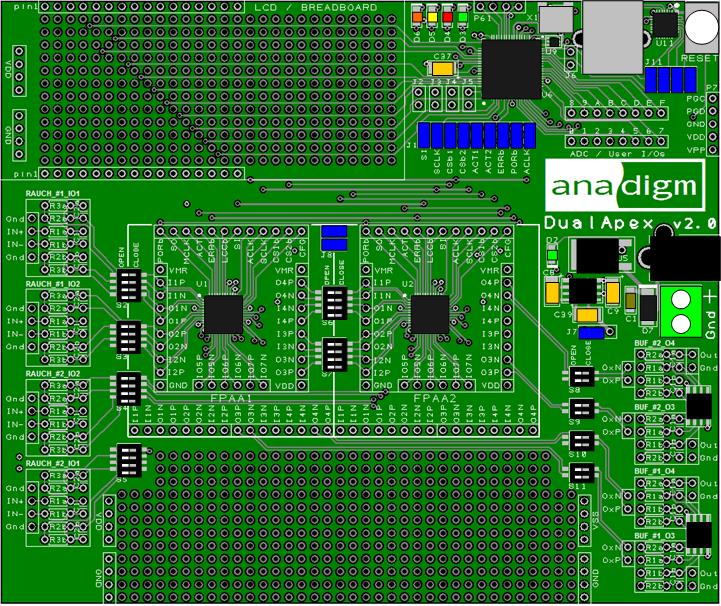
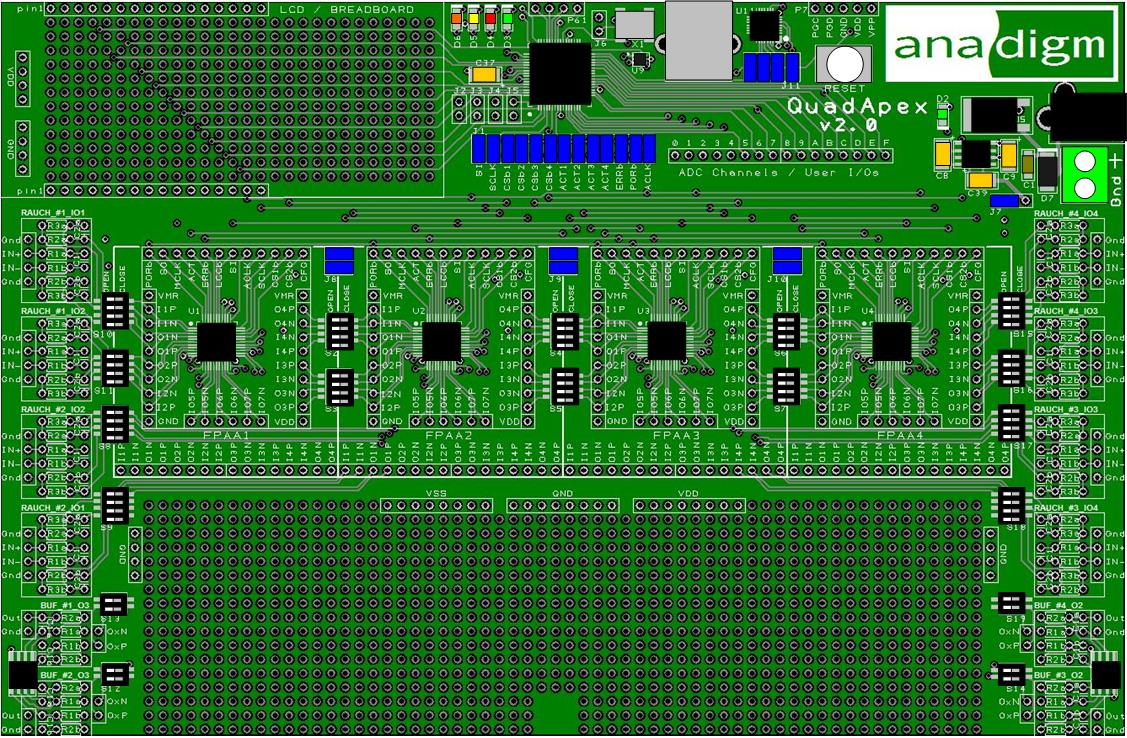
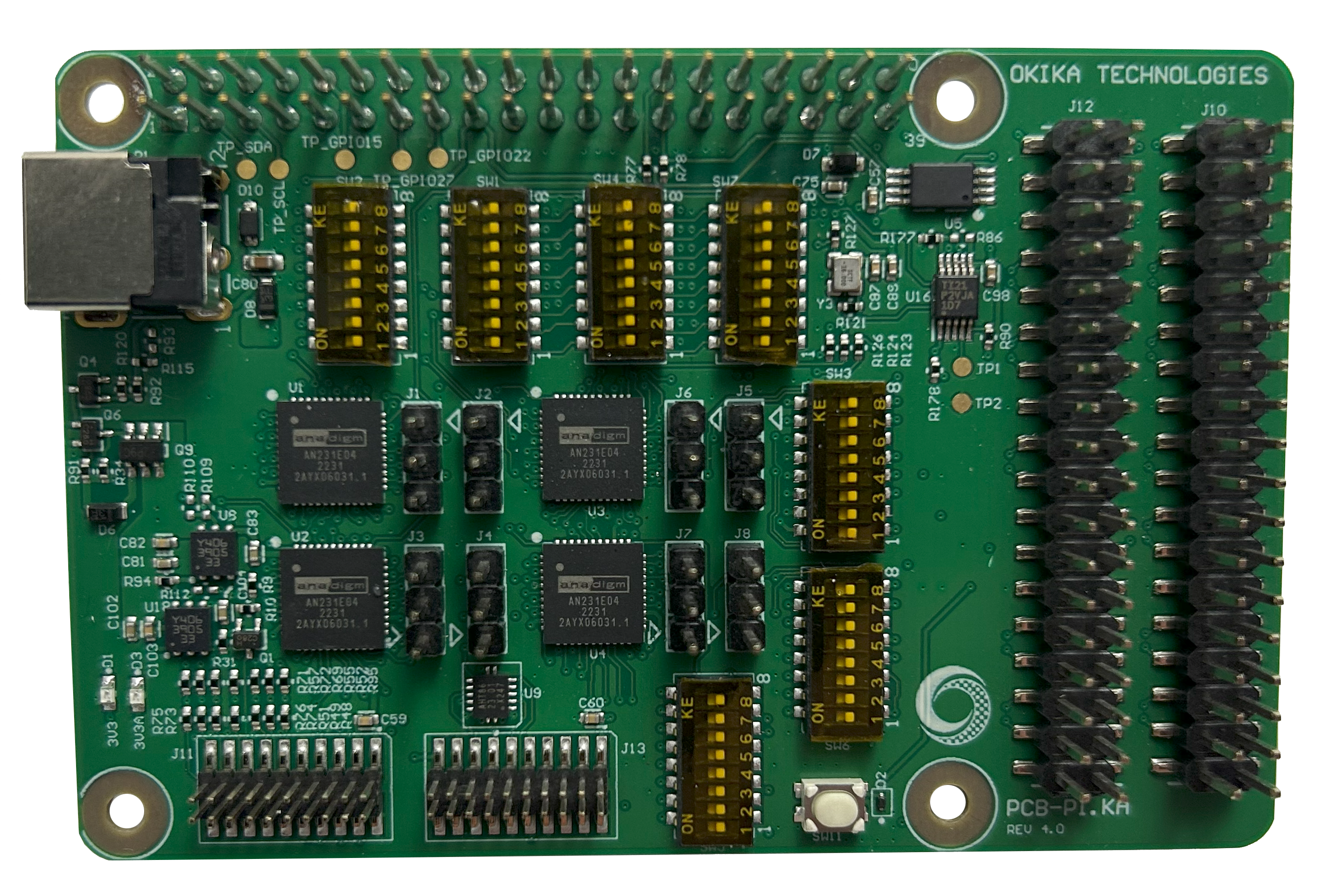
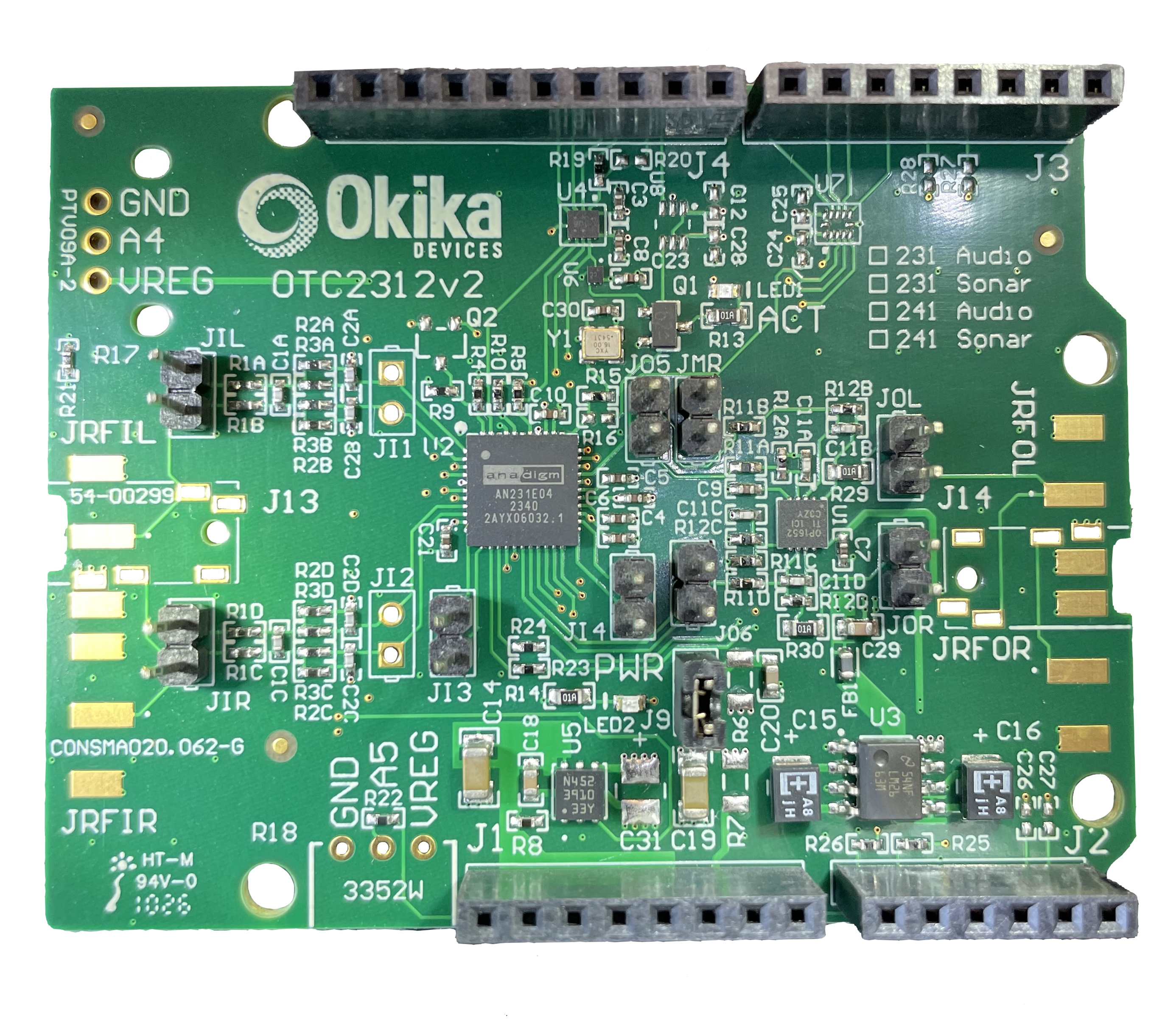
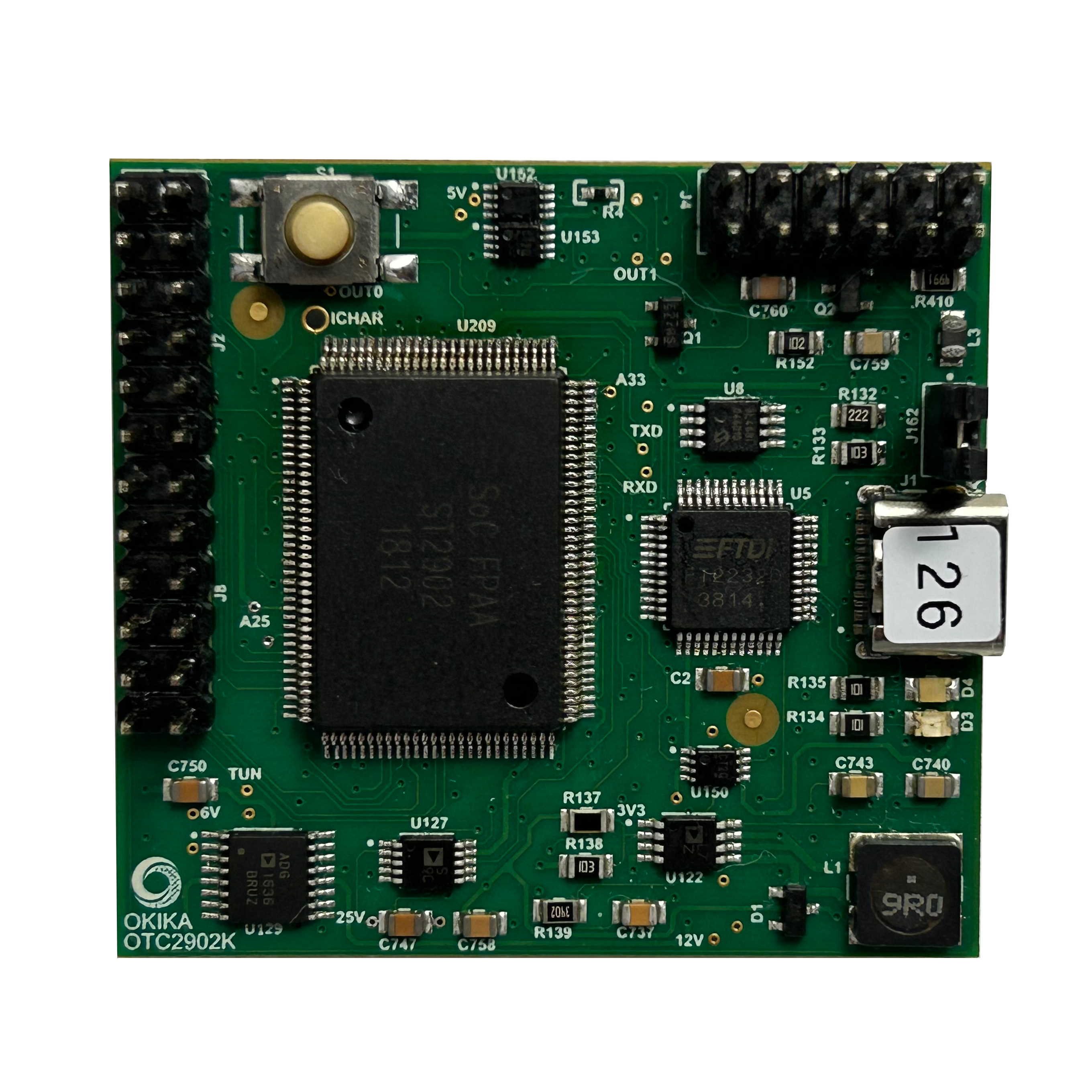
FPAA development boards eliminate much of the setup that slows discrete analog work. Inputs, outputs, power, and clocking are already handled. Internal blocks are matched and optimized. The result: a higher chance of first-pass success.
Software-driven configuration lets you adjust behavior immediately. Change a filter cutoff or modify gain in minutes. Reconfigure signal paths and measure results without touching hardware. Each iteration is faster, and engineers focus on performance tuning rather than troubleshooting component or layout issues.
For example, a 2-stage discrete amplifier might require three separate PCB builds to reach the desired gain and bandwidth. On an FPAA board, you can achieve the same result in one session by programming the blocks and adjusting coefficients in software.
Planning Your First Prototype
Start with a clear goal. Define what the system must do: filter, amplify, or generate a waveform. Map these goals to the FPAA’s analog blocks. Planning reduces trial-and-error and helps avoid wasted cycles.
Begin with small, well-defined subsystems. Test single stages independently before combining them. Verify inputs, outputs, and power connections before programming. A well-planned first configuration often works on the first try, saving hours of debugging.
Iterating Designs Quickly
FPAA boards shine when iteration is needed. You can tweak coefficients, reroute signals, and test multiple topologies in a single session. The physical board never needs resoldering.
Because internal blocks are fixed and pre-characterized, behavior remains consistent across iterations. Engineers can focus on refining performance rather than fighting hardware inconsistencies.
Example: A low-pass filter on a discrete board might shift cutoff frequency due to resistor tolerance stacking. On an FPAA board, you can adjust the cutoff in software and immediately measure the response, keeping results repeatable.
Common Engineering Challenges
FPAA boards reduce many sources of error, but careful planning is still required. External signal paths should be short and clean to avoid noise. High-impedance nodes remain sensitive.
Document each configuration and measurement. Without organized records, multiple iterations can become confusing. Engineers working on multi-stage systems should log each block configuration and test result.
Real-world pitfalls:
-
Connecting a high-impedance sensor directly to an input without a buffer can introduce noise. Adding a unity-gain buffer fixes the issue.
-
Assuming internal blocks maintain perfect performance under extreme temperatures can lead to unexpected drift. Always check datasheet limits.
Scaling Up Your Prototypes
Once a subsystem works, scaling is straightforward. FPAA boards often support multiple channels and additional blocks. Configurations can integrate into larger analog or mixed-signal systems without redesigning hardware.
Advanced functions such as multipliers, oscillators, or adaptive filters can be tested incrementally. Engineers can evaluate system-level behavior before committing to production hardware. This reduces the risk of late-stage redesigns.
Next Steps for Practical FPAA Use
-
Build a single-stage low-pass filter on your FPAA board.
-
Measure the output and record the response.
-
Adjust gain or cutoff in software. Observe how the iteration time compares to a discrete design.
-
Document each change. Reproducibility is critical for scaling to multi-stage systems.
This process turns analog prototyping from a slow, hardware-bound workflow into a structured, repeatable experiment.
Conclusion
FPAA development boards transform analog prototyping. Iteration moves into software, reducing repeated respins and minimizing hardware troubleshooting. Engineers can focus on ideas, performance, and system-level evaluation.
For practical analog design, FPAAs shift the workflow from trial-and-error to measurable, repeatable, and flexible experimentation. They allow engineers to explore multiple designs safely and quickly, making prototyping faster, more predictable, and more productive.