
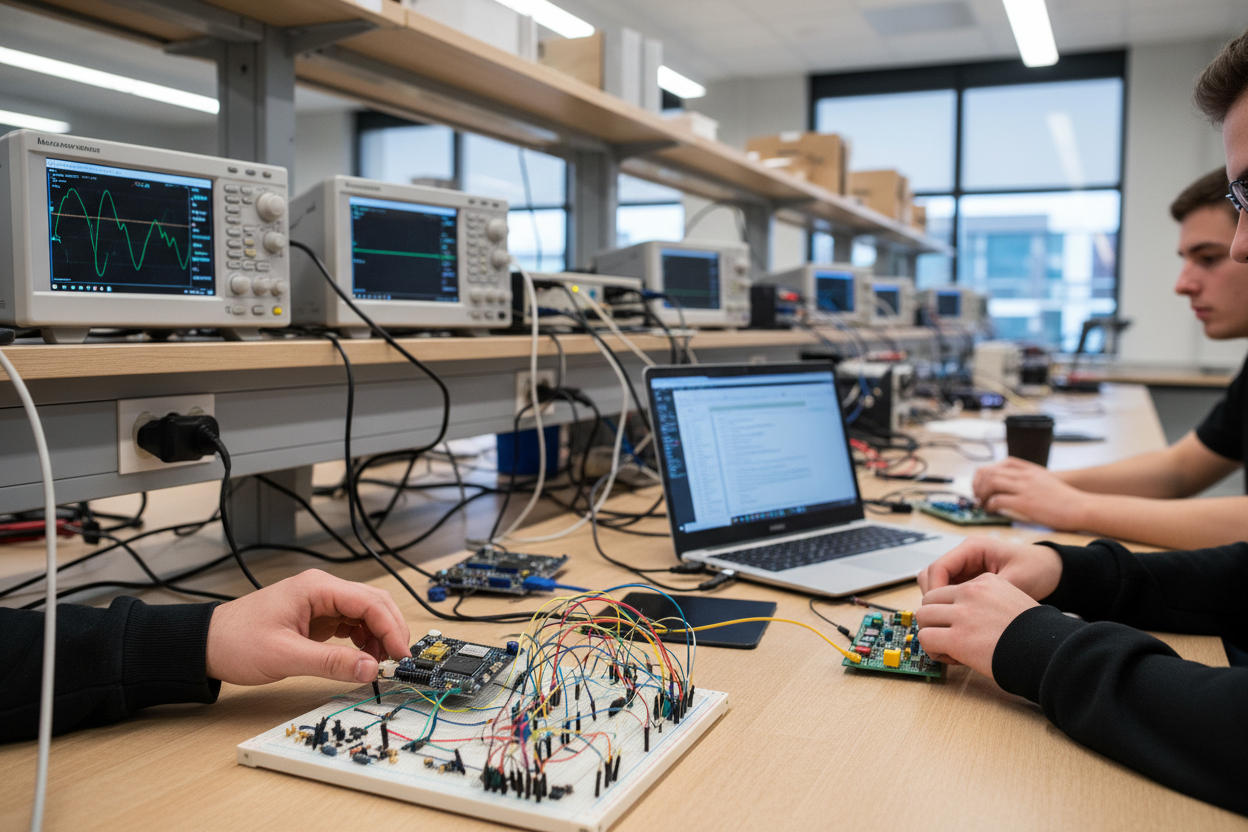


How to Prototype Faster with FPAA Development Boards
Analog prototyping is slow due to component variation, layout effects, and repeated hardware iterations. FPAAs speed this up by using pre-characterized analog blocks that are configured in software.
With FPAA development boards, engineers can adjust filters, gain, and signal paths instantly without redesigning hardware. This makes analog iteration faster, more repeatable, and less dependent on PCB revisions.
Read more about: How to Prototype Faster with FPAA Development Boards
FPAA vs. Discrete Op-Amp Networks: When Simpler Is Actually Harder
Discrete op-amp circuits are easy to design but often require multiple hardware iterations due to layout effects, tolerances, and real-world deviations. This can make convergence slow and unpredictable. FPAAs move much of this iteration into reconfiguration, improving repeatability and reducing sensitivity to PCB and component variation. Discrete designs still fit fixed, high-precision cases, but FPAAs offer faster iteration and more adaptable system behavior.
Read more about: FPAA vs. Discrete Op-Amp Networks: When Simpler Is Actually Harder
Common First-Time FPAA Design Mistakes and How to Avoid Them
Engineers moving from digital FPGAs to FPAAs often run into unexpected analog behavior, including gain issues, clipping, noise, and imperfect filtering. Early mistakes usually come from applying digital assumptions, underestimating headroom, and relying too heavily on simulation. This article explains common first-project pitfalls and how disciplined gain planning, incremental testing, and measurement-driven iteration lead to stable FPAA systems.
Read more about: Common First-Time FPAA Design Mistakes and How to Avoid Them
Integrating FPAA Designs with MCU and FPGA Systems
Most real systems combine analog and digital components, with FPAAs often working alongside MCUs and FPGAs. System stability depends on clearly defining what each device is responsible for: signal conditioning in analog, control in MCUs, and high-speed processing in FPGAs. Many integration issues arise from blurred boundaries, especially in timing, power, and signal interfaces.
Successful designs treat the FPAA–MCU–FPGA split as an architectural decision, not just a connectivity problem. Careful attention to interfacing, grounding, and latency ensures predictable behavior and avoids complex debugging later.
Read more about: Integrating FPAA Designs with MCU and FPGA Systems
Featured collection
Translation missing: en.general.accessibility.sku
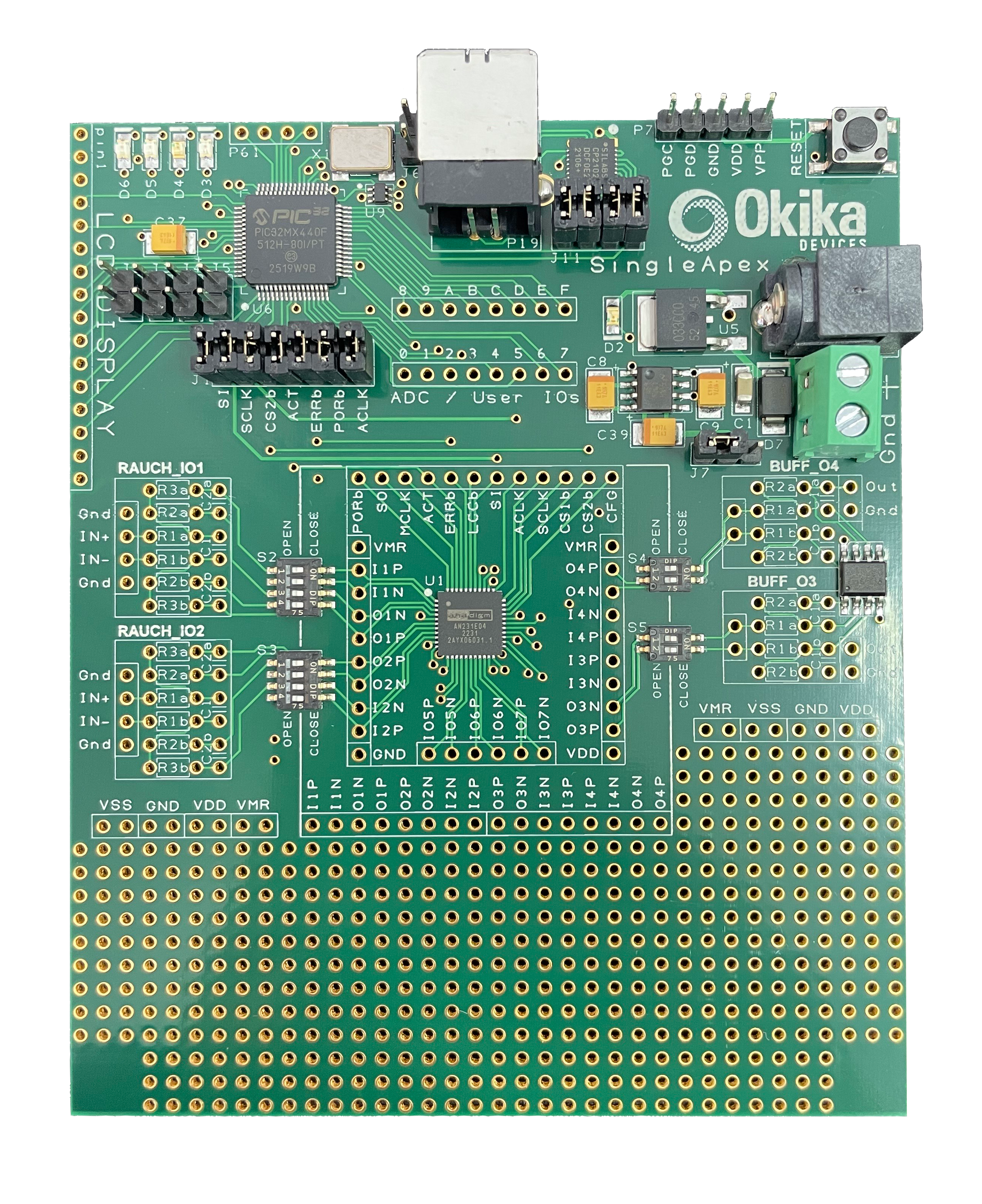
AN231K04-SING1
Translation missing: en.general.accessibility.sku
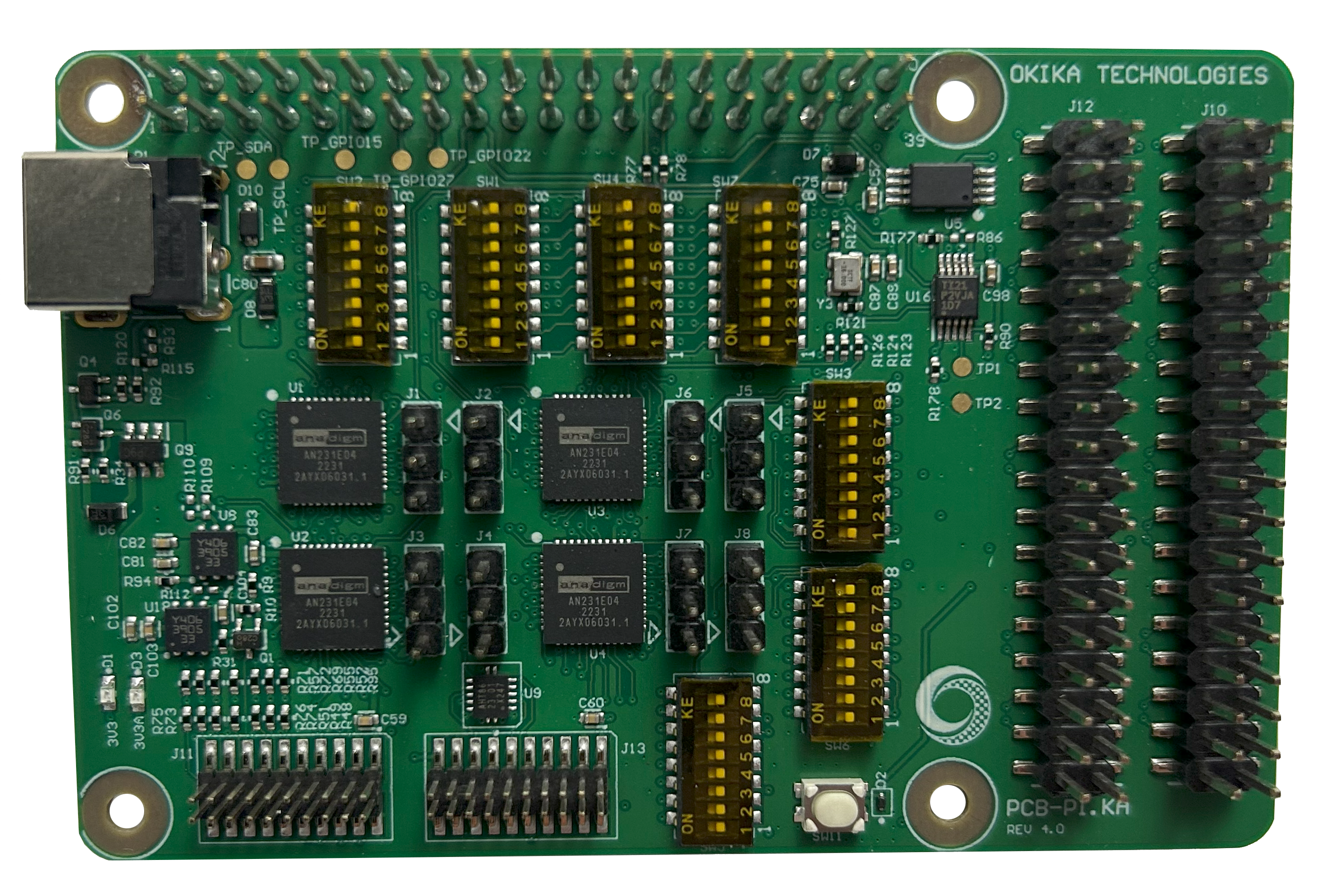
OTC2310K04-PIKA
Translation missing: en.general.accessibility.sku
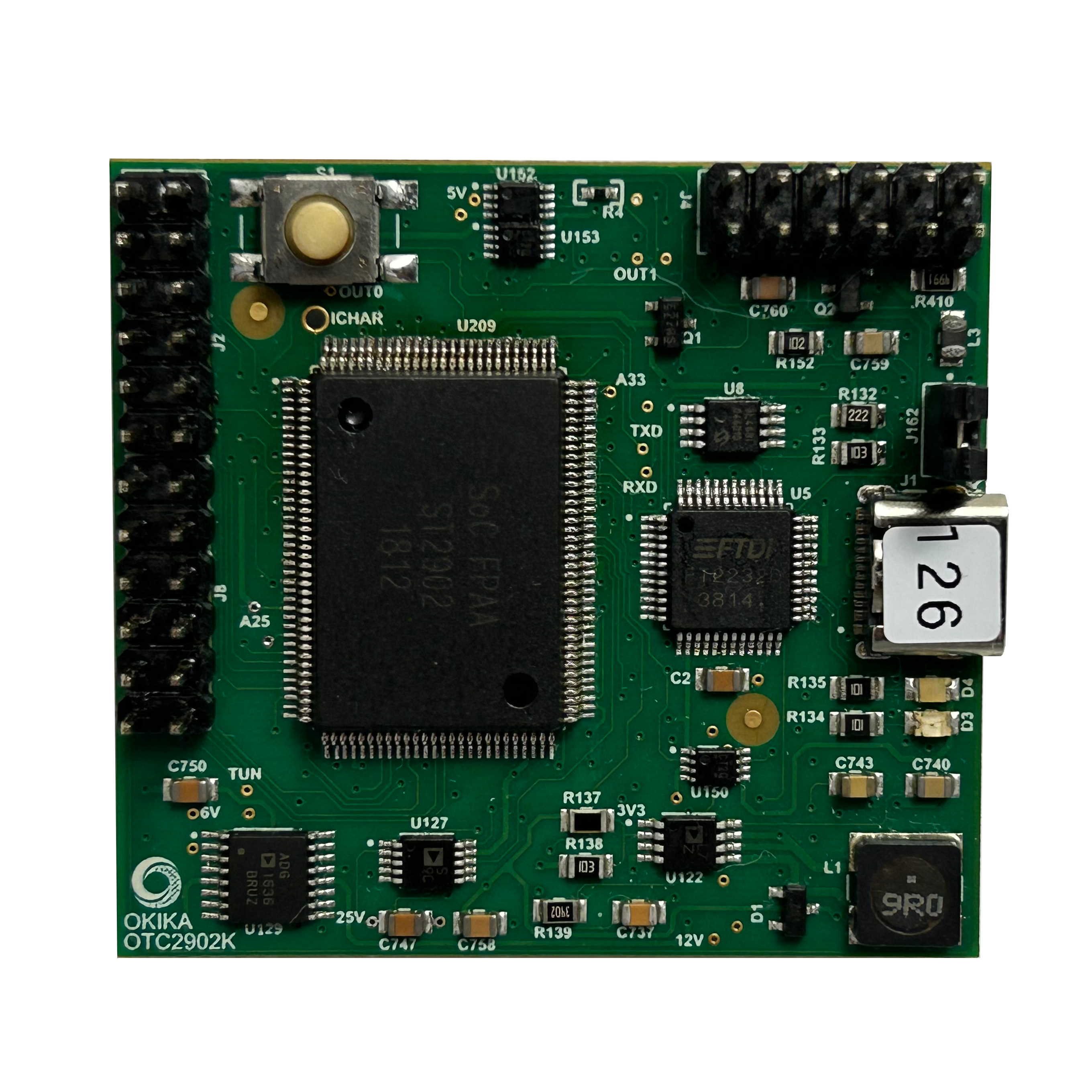
OTC2902K