








News & Insights
Building Energy-Efficient Neuromorphic Systems with FPAAs
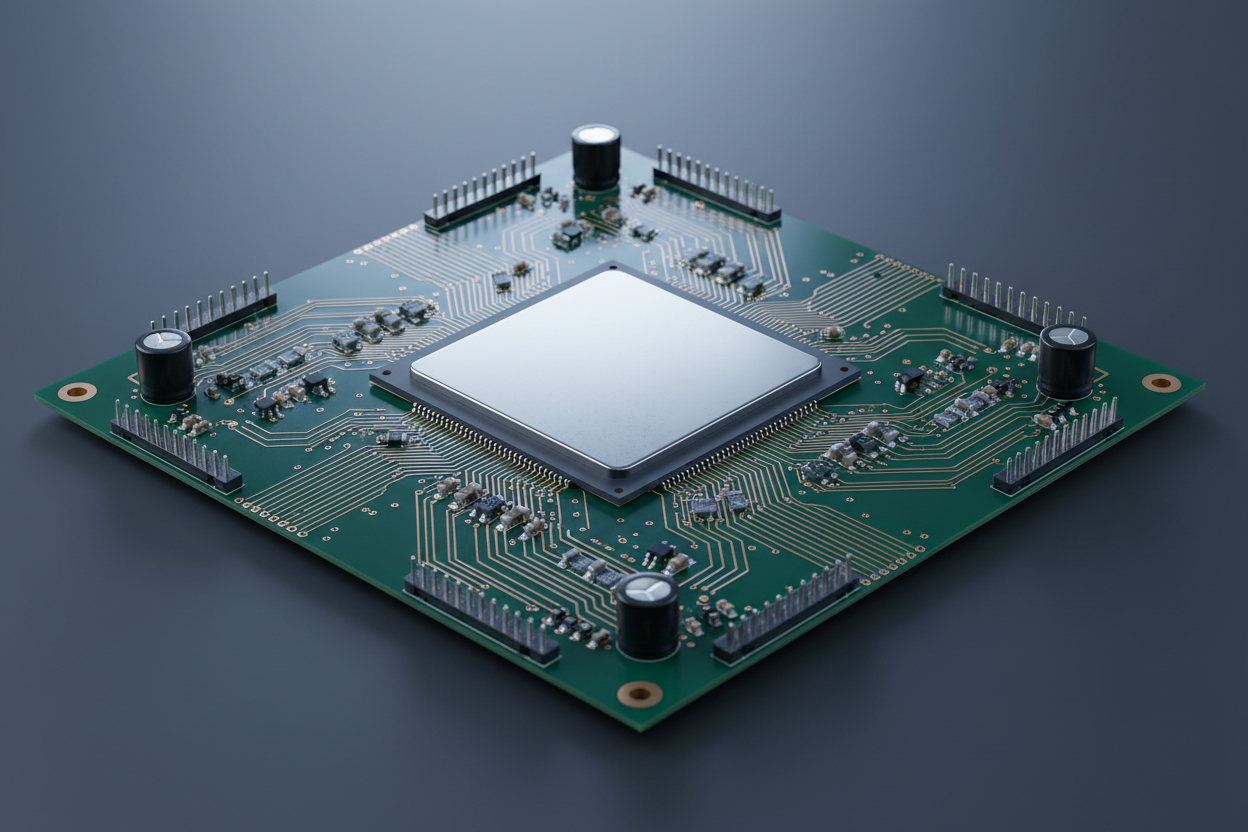
Insights from Dr. Jennifer Hasler on neuromorphic hardware, analog computing, and how FPAA technology could dramatically reduce AI power consumption.
Read more about: Building Energy-Efficient Neuromorphic Systems with FPAAs
Common First-Time FPAA Design Mistakes and How to Avoid Them
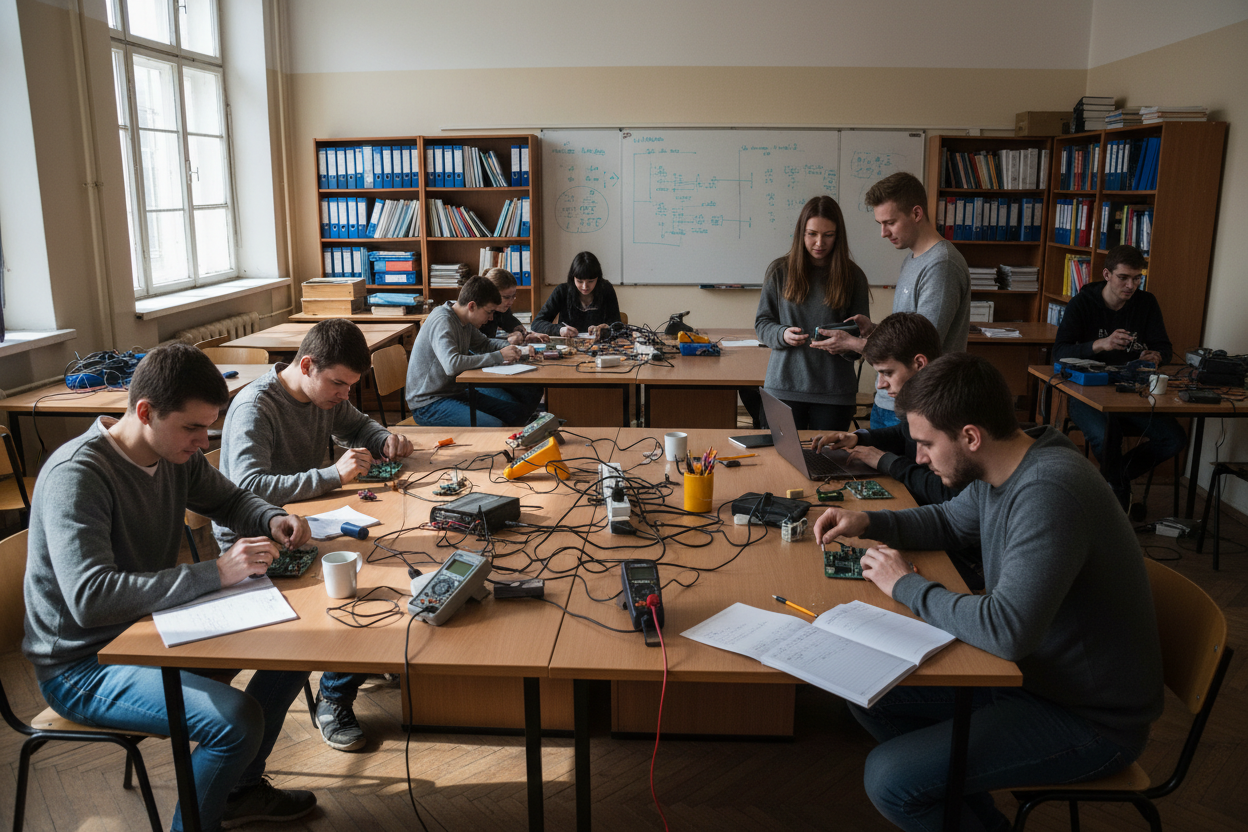
Engineers moving from digital FPGAs to FPAAs often run into unexpected analog behavior, including gain issues, clipping, noise, and imperfect filtering. Early mistakes usually come from applying digital assumptions, underestimating headroom, and relying too heavily on simulation. This article explains common first-project pitfalls and how disciplined gain planning, incremental testing, and measurement-driven iteration lead to stable FPAA systems.
Read more about: Common First-Time FPAA Design Mistakes and How to Avoid Them
Integrating FPAA Designs with MCU and FPGA Systems
Most real systems combine analog and digital components, with FPAAs often working alongside MCUs and FPGAs. System stability depends on clearly defining what each device is responsible for: signal conditioning in analog, control in MCUs, and high-speed processing in FPGAs. Many integration issues arise from blurred boundaries, especially in timing, power, and signal interfaces.
Successful designs treat the FPAA–MCU–FPGA split as an architectural decision, not just a connectivity problem. Careful attention to interfacing, grounding, and latency ensures predictable behavior and avoids complex debugging later.
Read more about: Integrating FPAA Designs with MCU and FPGA Systems
Okika Devices Introduces Chameleon™ 8th Order Butterworth Lowpass Filter Family at DesignCon
Okika Devices today announced the introduction of 6 lowpass filter modules in the Chameleon™ family. Built on Okika’s FlexAnalogTM FPAA technology, the OTC931xL devices are pre-programmed lowpass filter modules engineered for demanding analog signal conditioning applications.
Okika Lowers the Cost Barrier to FPAA Technology
Driven by strong community feedback and growing adoption, Okika is reducing prices across its FPAA product lineup. These changes lower the barrier to experimentation and prototyping while reinforcing our long-term commitment to supporting students, researchers, and engineering teams.
Read more about: Okika Lowers the Cost Barrier to FPAA Technology
FPAA vs. Analog Front-End ICs: When to Choose a Reconfigurable Solution
Discover how FPAA technology provides greater flexibility, faster prototyping, and longer system life compared to traditional Analog Front-End ICs, and learn when a reconfigurable approach is the smarter choice.
Read more about: FPAA vs. Analog Front-End ICs: When to Choose a Reconfigurable Solution
FPAA Applications in Sonar: Low-Power, High-Fidelity Signal Processing for Complex Environments
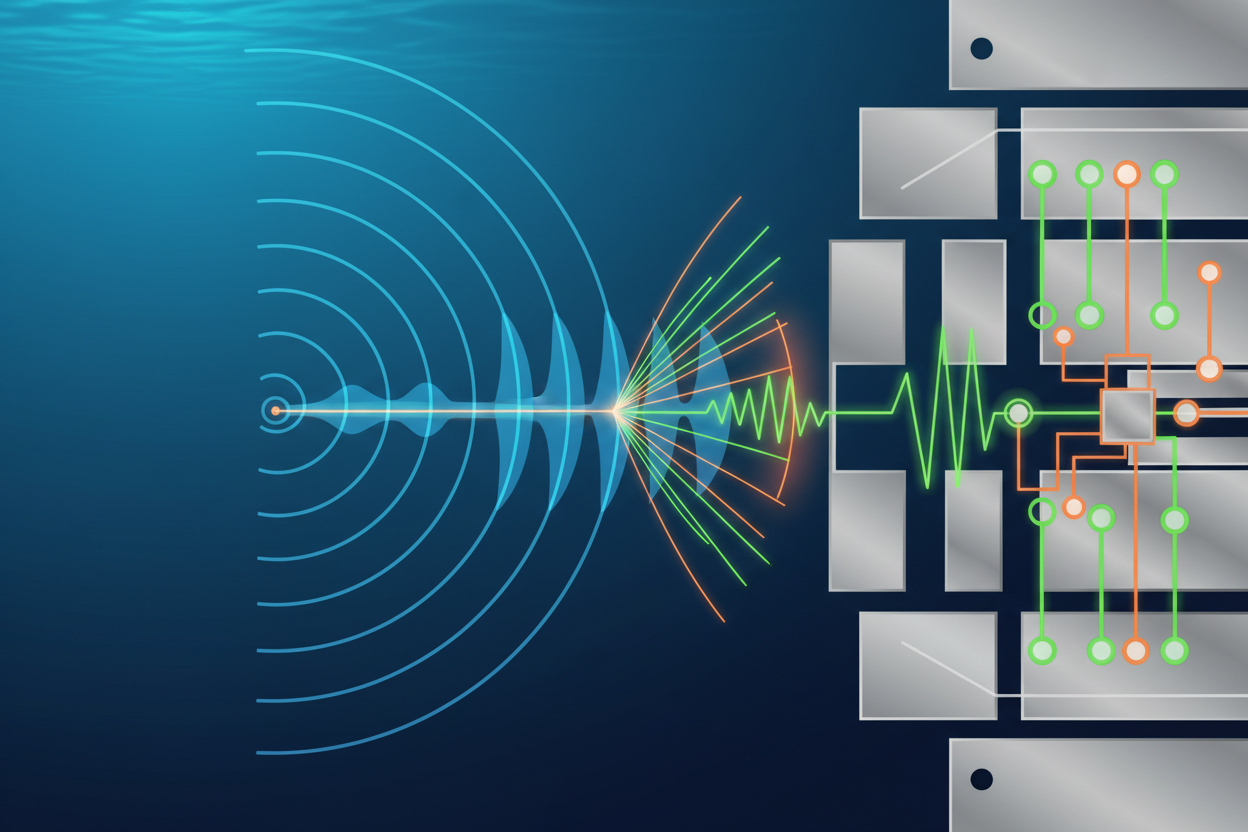
Field Programmable Analog Arrays bring adaptive, low-power analog processing to modern sonar systems. This article explores how FPAAs improve multi-spectral performance, reduce latency, and simplify analog front ends for underwater robotics, inspection devices, and advanced sensing applications.
SoC FPAAs: Unlocking Hidden Knobs in Software-Defined Systems
Software defined systems reshaped digital design, but analog has remained fixed. SoC FPAAs change this by making filters, amplifiers, and sensor front ends fully programmable. They reveal new hidden knobs for adaptive payloads, reconfigurable instrumentation, and low power mixed signal computing. This is the next wave of software defined engineering.
Read more about: SoC FPAAs: Unlocking Hidden Knobs in Software-Defined Systems
How FPAAs Can Save Power in Modern Analog Systems
FPAAs improve power efficiency by replacing many always-on analog components with a single device that activates only the circuits a system needs. By reducing idle draw, limiting unnecessary conversions, and streamlining signal paths, FPAAs help engineers build lighter, longer-lasting, and more efficient systems for aerospace, robotics, medical devices, and industrial IoT.
Read more about: How FPAAs Can Save Power in Modern Analog Systems
Featured collection
Translation missing: en.general.accessibility.sku
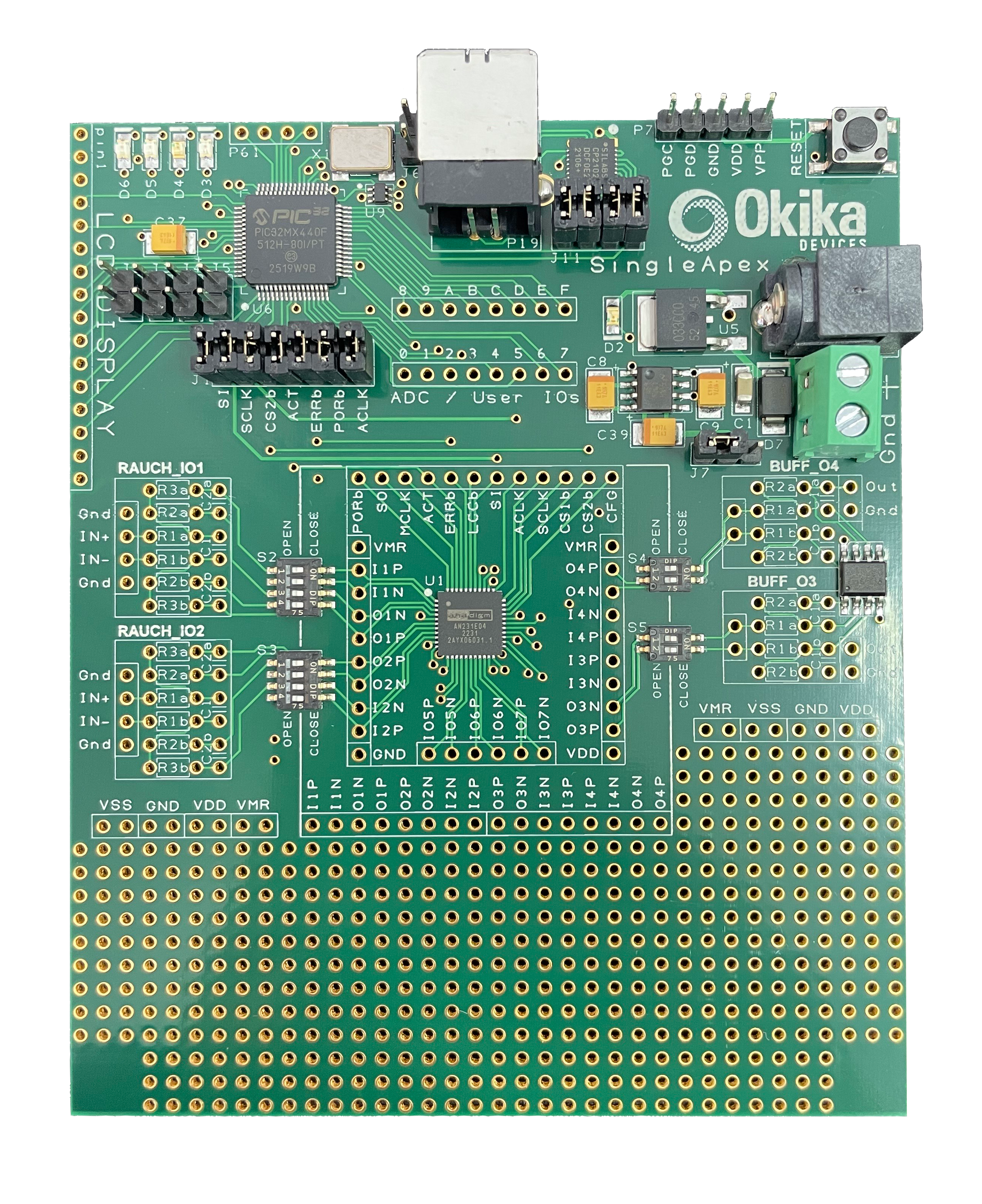
AN231K04-SING1
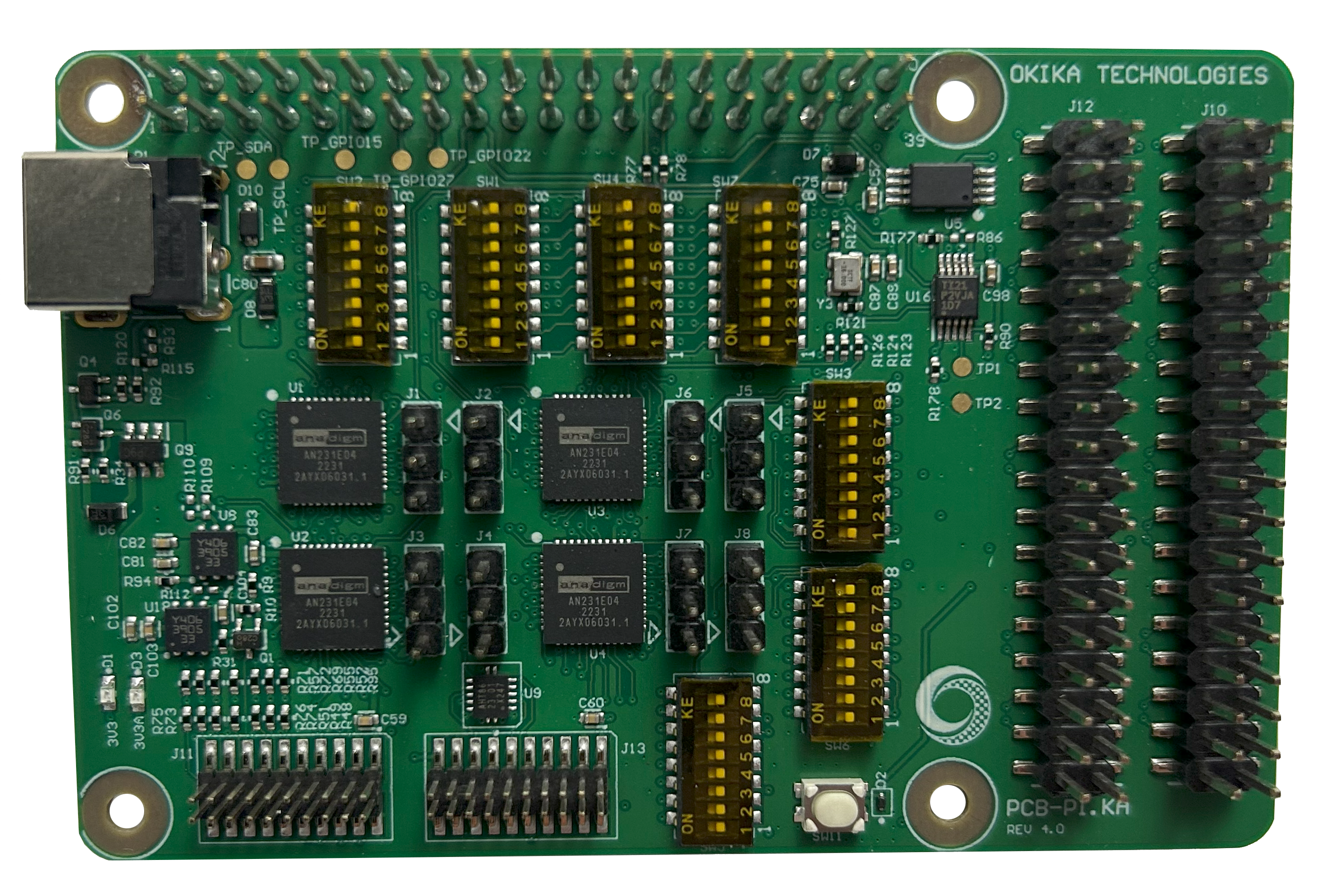
Translation missing: en.general.accessibility.sku
OTC2310K04-PIKA
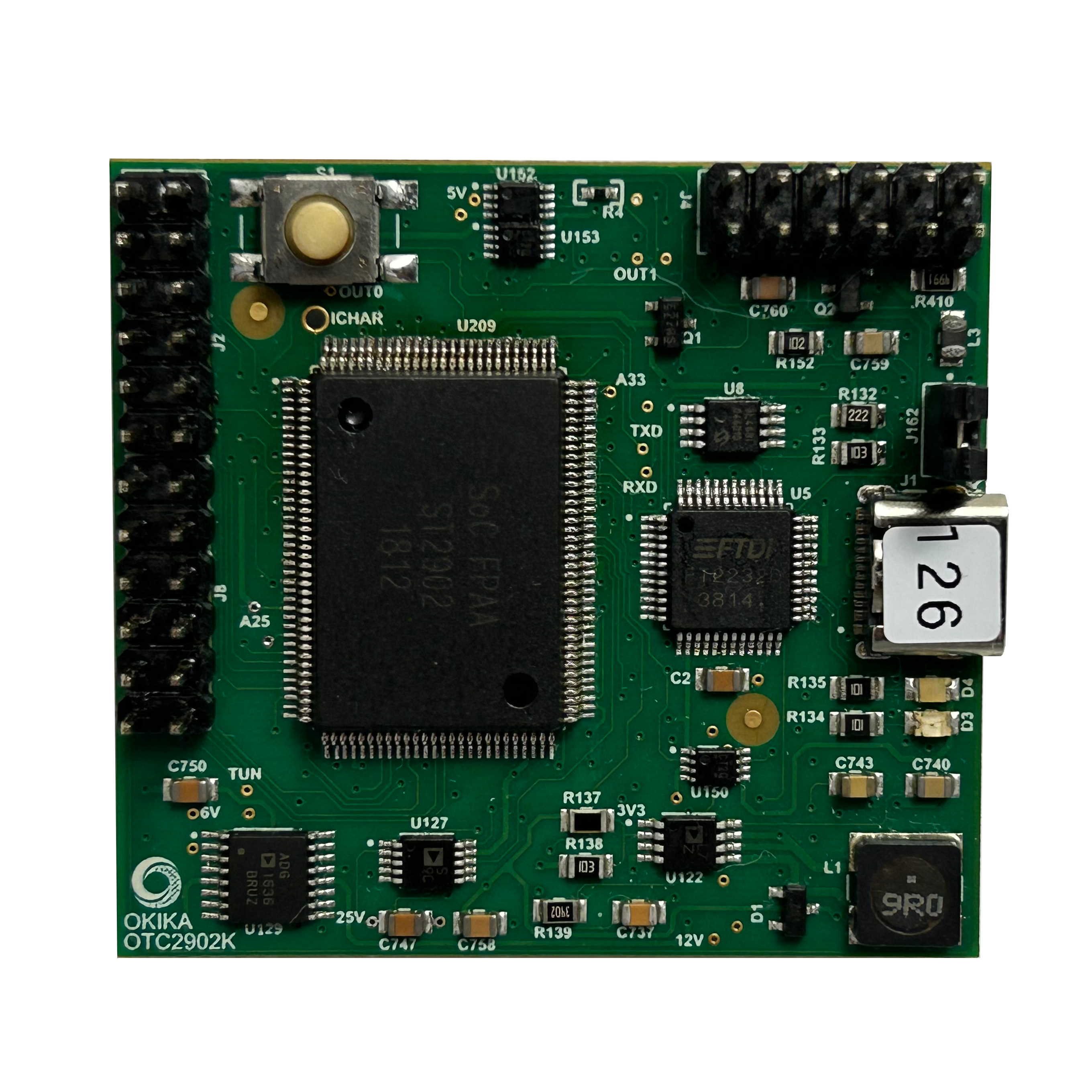
Translation missing: en.general.accessibility.sku
OTC2902K