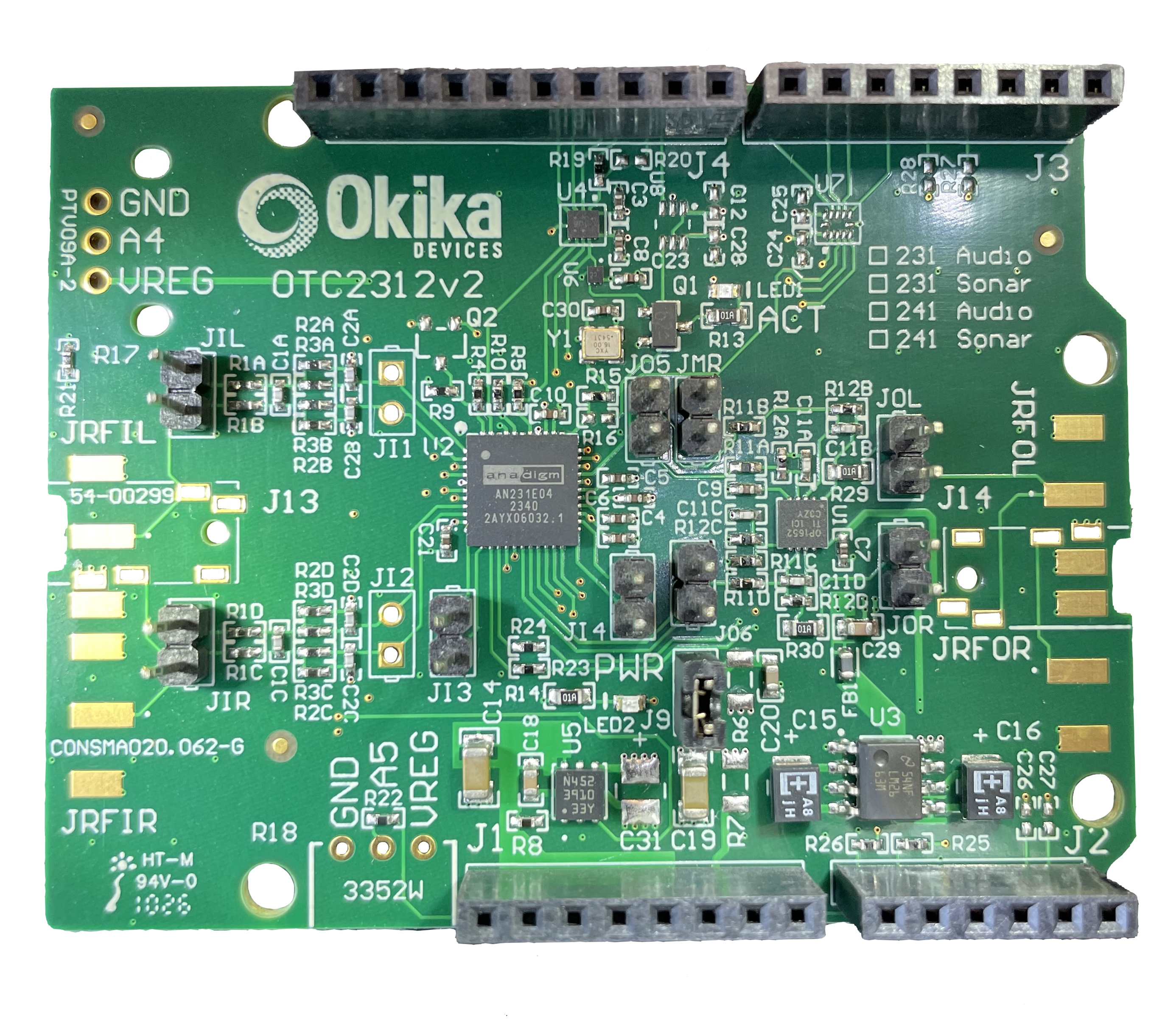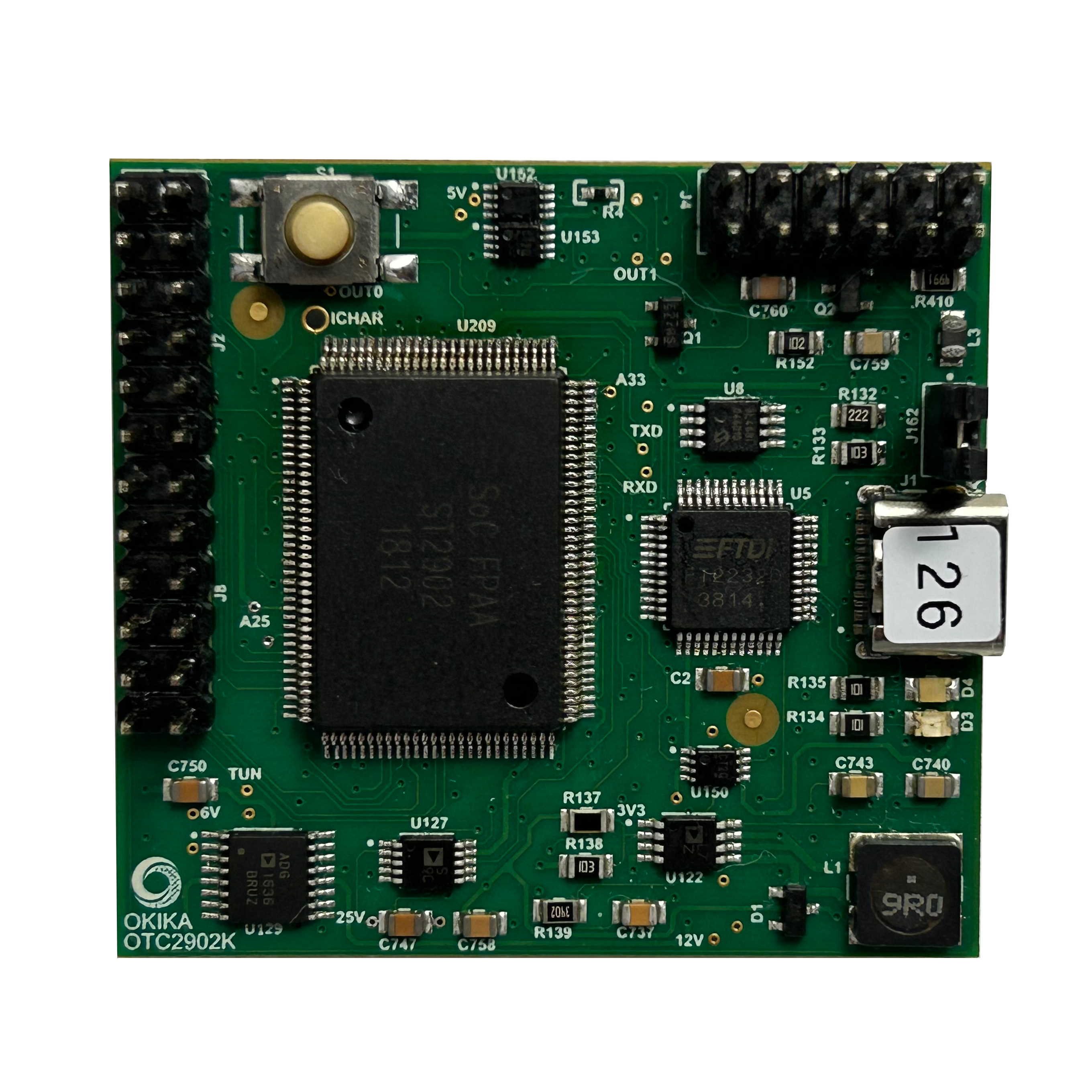
Students ECE4450 Analog Circuits for Music Synthesis Project

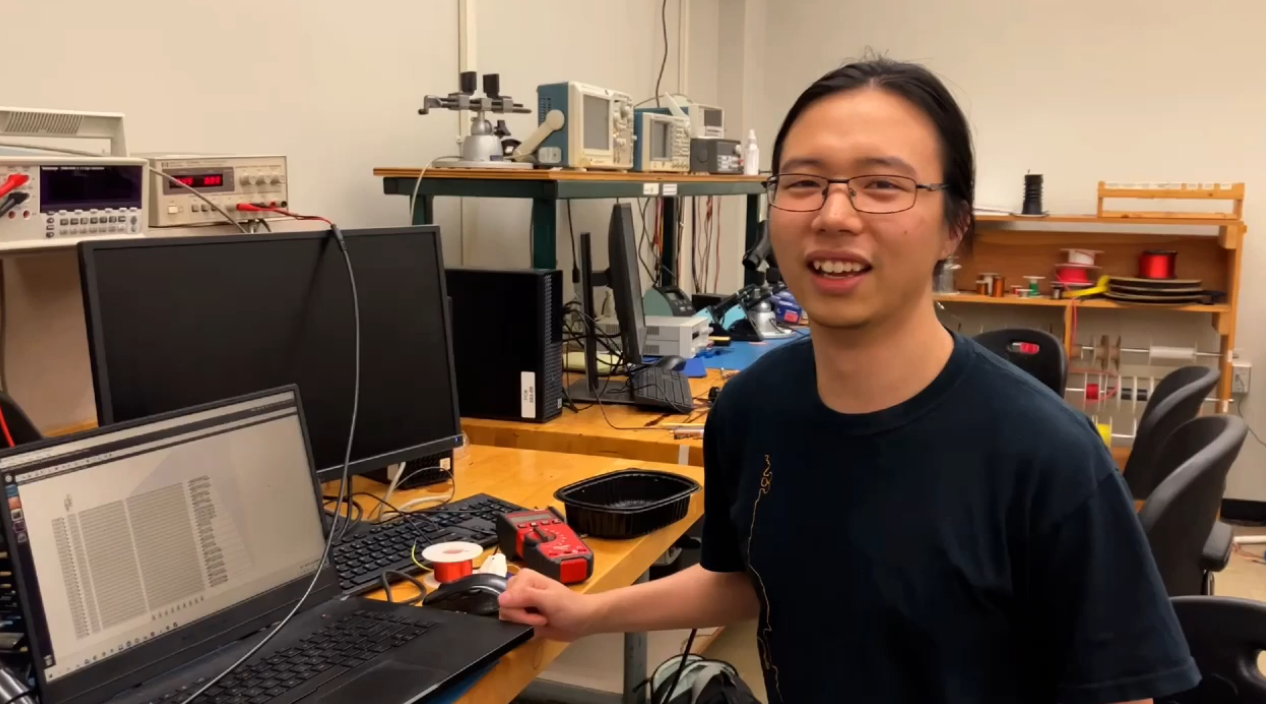
Lenno Liu, Graduate student of Prof. Jennifer Hasler “Adventures in FPAA” using a different FPAA toolset for his ECE4450 Analog Circuits for Music Synthesis Project.

Share this article

Latest Stories

View all

SoC FPAAs: Unlocking Hidden Knobs in Software-Defined Systems

SoC FPAAs: Unlocking Hidden Knobs in Software-Defined Systems

Software defined systems reshaped digital design, but analog has remained fixed. SoC FPAAs change this by making filters, amplifiers, and sensor front ends fully programmable. They reveal new hidden knobs for adaptive payloads, reconfigurable instrumentation, and low power mixed signal computing. This is the next wave of software defined engineering.

Read more about: SoC FPAAs: Unlocking Hidden Knobs in Software-Defined Systems

How FPAAs Can Save Power in Modern Analog Systems

How FPAAs Can Save Power in Modern Analog Systems

FPAAs improve power efficiency by replacing many always-on analog components with a single device that activates only the circuits a system needs. By reducing idle draw, limiting unnecessary conversions, and streamlining signal paths, FPAAs help engineers build lighter, longer-lasting, and more efficient systems for aerospace, robotics, medical devices, and industrial IoT.

Read more about: How FPAAs Can Save Power in Modern Analog Systems

How FPAAs Future-Proof Modern Analog Designs

How FPAAs Future-Proof Modern Analog Designs

Field Programmable Analog Arrays (FPAAs) let engineers reconfigure analog circuits without full board redesigns, reducing costs and accelerating prototyping. They enable systems to adapt to changing requirements across aerospace, robotics, medical devices, and IoT. This flexibility future-proofs hardware, extends lifetimes, and maintains performance under evolving conditions.

Read more about: How FPAAs Future-Proof Modern Analog Designs