
Okika Devices is proud to announce the relocation of its headquarters and research and development (R&D) center to Colorado Springs, Colorado. The move marks a major milestone for the company as it continues to expand its role in the nation’s growing semiconductor and analog innovation ecosystem.
Governor Jared Polis and the Colorado Office of Economic Development and International Trade (OEDIT) announced the expansion earlier this week, welcoming Okika Devices to what the Governor called “the best place to live and do business.” The relocation will create 20 new high-paying jobs in the region, with an average annual wage of $104,250, which is 160% of El Paso County’s average annual salary.
“Relocating Okika’s headquarters to Colorado Springs marks an exciting new chapter for our company,” said William Staunton, Chairman and CEO of Okika Devices. “The business-friendly environment, along with the unwavering support from the city, county, and state, who truly bent over backwards to make this transition seamless, made our decision an easy one. Colorado Springs offers a rich pool of talented and committed professionals, and we’re proud to join a community known for innovation and excellence.”
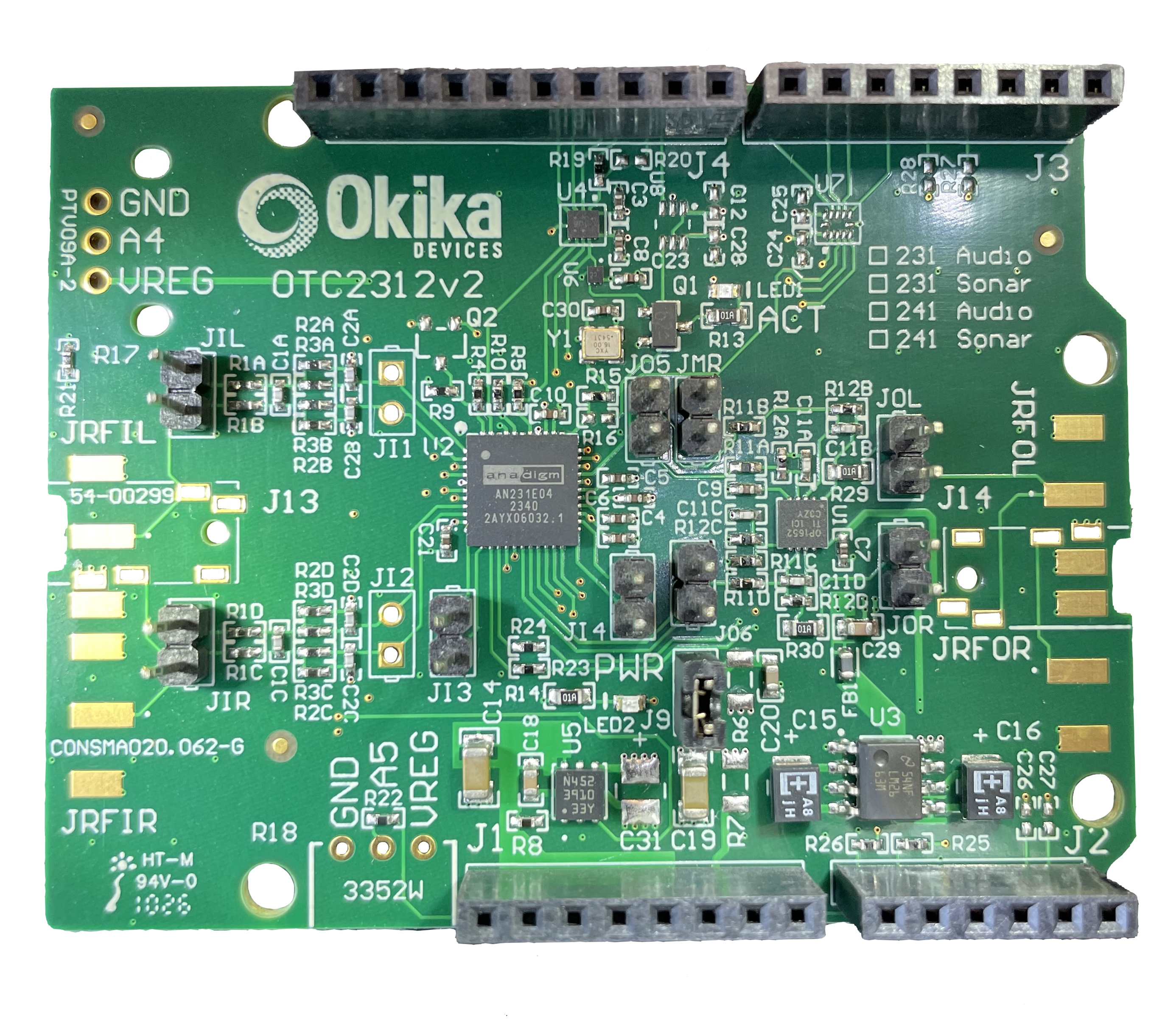
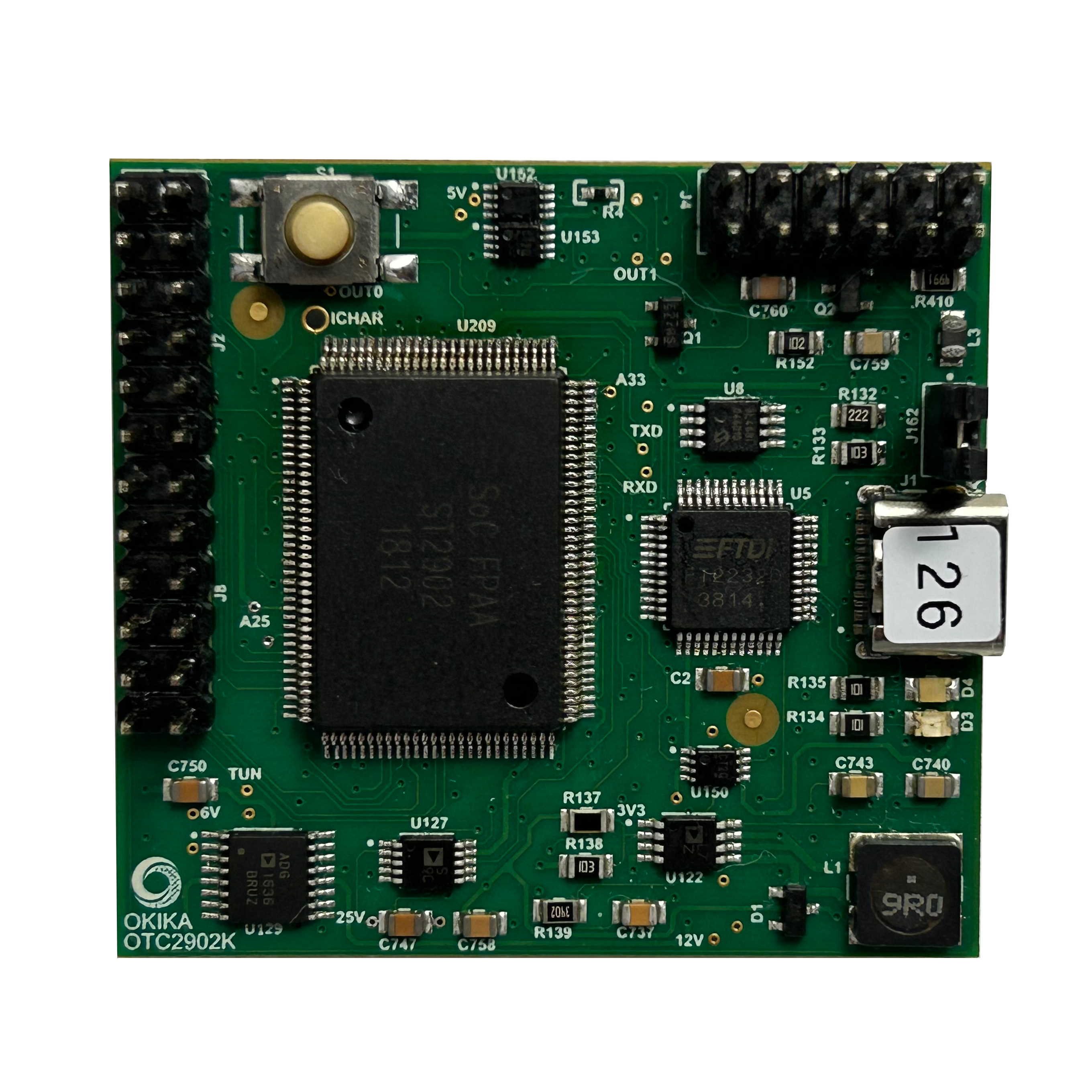
Okika Devices' proudcts are used across industries from sensor processing to machine learning, providing new ways to bridge the gap between analog signal environments and programmable system design.
In Colorado, Okika joins a semiconductor sector ranked among the top ten U.S. states for semiconductor ecosystem potential, according to the Semiconductor Industry Association. The region offers a full value chain from chip design and materials to fabrication and packaging, making it a prime location for Okika’s continued innovation.
“Okika Device’s dedication to cutting-edge analog solutions and commitment to innovation will undoubtedly strengthen and advance our state’s growing semiconductor ecosystem,” said Eve Lieberman, Executive Director of OEDIT.
Community leaders across the region also expressed enthusiasm for Okika’s arrival.
“Okika’s decision to establish its headquarters in Colorado Springs shows the confidence investors have in our region,” said Johnna Reeder Kleymeyer, President and CEO of the Colorado Springs Chamber and EDC. “This expansion will enhance our region’s capabilities in the analog integrated circuit market and strengthen our semiconductor supply chain.”
Building the Future of Analog Innovation
For Okika Devices, the move to Colorado Springs is more than a relocation. It is an investment in the future of programmable analog design. The company is actively hiring for engineering, sales, and procurement roles as it expands its R&D operations and strengthens ties within Colorado’s growing advanced manufacturing ecosystem.
“We are looking forward to being back,” Staunton added. “Many of our senior executives, formerly of Ramtron, are thrilled to return and help launch Okika in a place that feels like home.”
You can read the full press release here.