
Wearable systems for cardiovascular monitoring need to run continuously while staying small and power efficient. This is especially challenging for electrical bioimpedance (EBI), where raw analog signals typically go through multiple digital processing stages before producing usable physiological information.
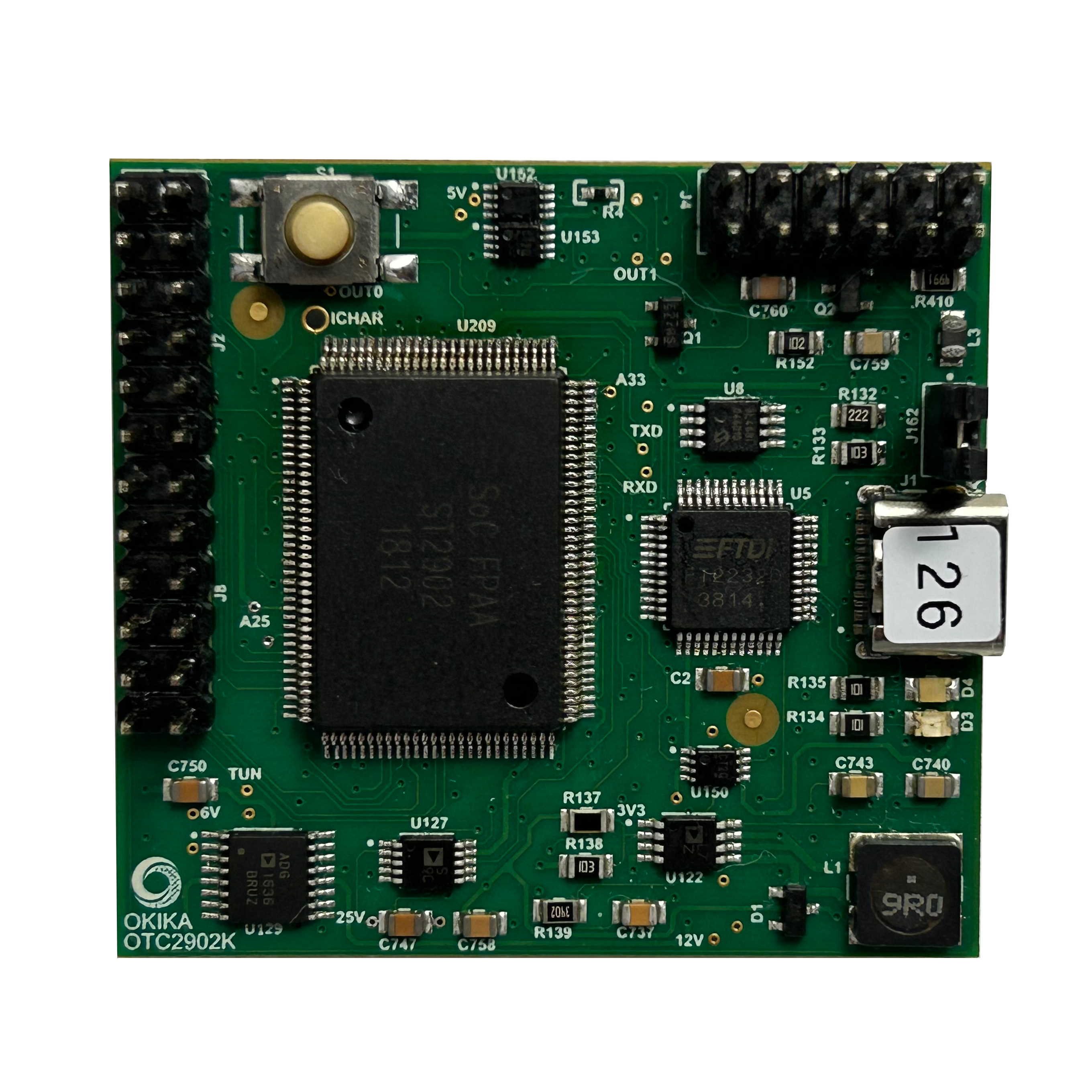
A research team led by Dr. Hakan Töreyin at San Diego State University’s Smart Health Institute, in collaboration with Georgia Tech, explored a different approach. Instead of routing all signals through a conventional digital pipeline, they implemented key processing steps directly in hardware using a Field Programmable Analog Array (FPAA).
The result is a mixed-signal system that extracts cardiovascular features such as heart rate and blood flow variation directly from impedance plethysmography signals, with the analog processing stage operating at roughly 209 nanowatts.
Electrical Bioimpedance in Wearable Monitoring
Electrical bioimpedance measures how biological tissue responds to a small alternating current. Because tissue conductivity changes with physiological activity, it can be used to observe cardiovascular and hydration-related behavior.
A weak AC current is injected into the body, and the resulting voltage response is measured. From this, it is possible to derive information about:
-
Blood flow and cardiovascular activity
-
Fluid retention and hydration levels
-
Respiratory patterns
-
Changes in tissue composition
The challenge is that these signals are noisy and require filtering, differentiation, and event detection before they become clinically useful. In most systems, this is handled digitally after analog-to-digital conversion, which increases power consumption and processing load.
FPAA-Based Analog Processing
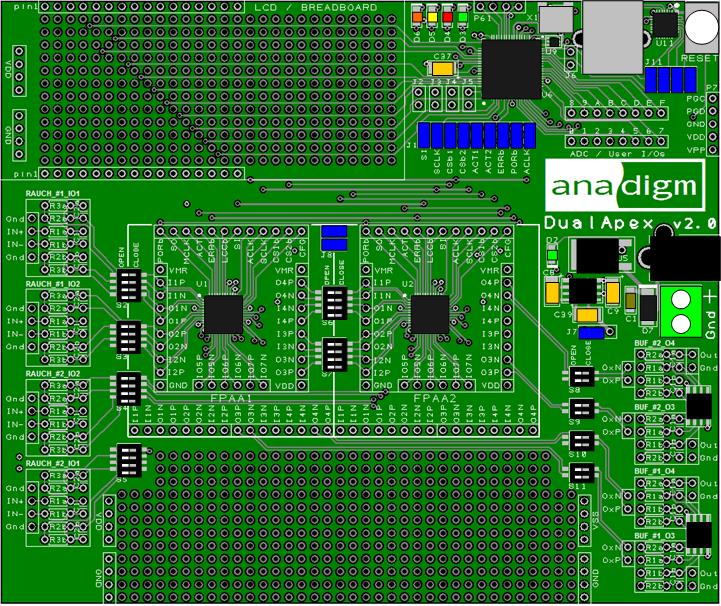
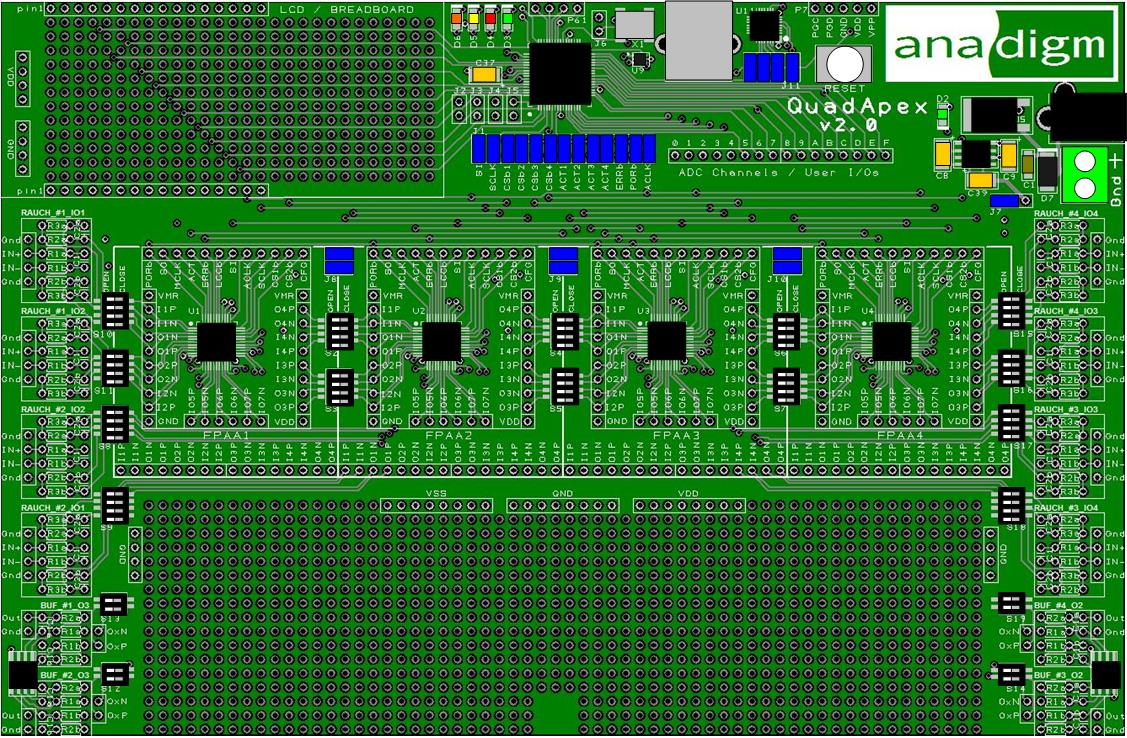
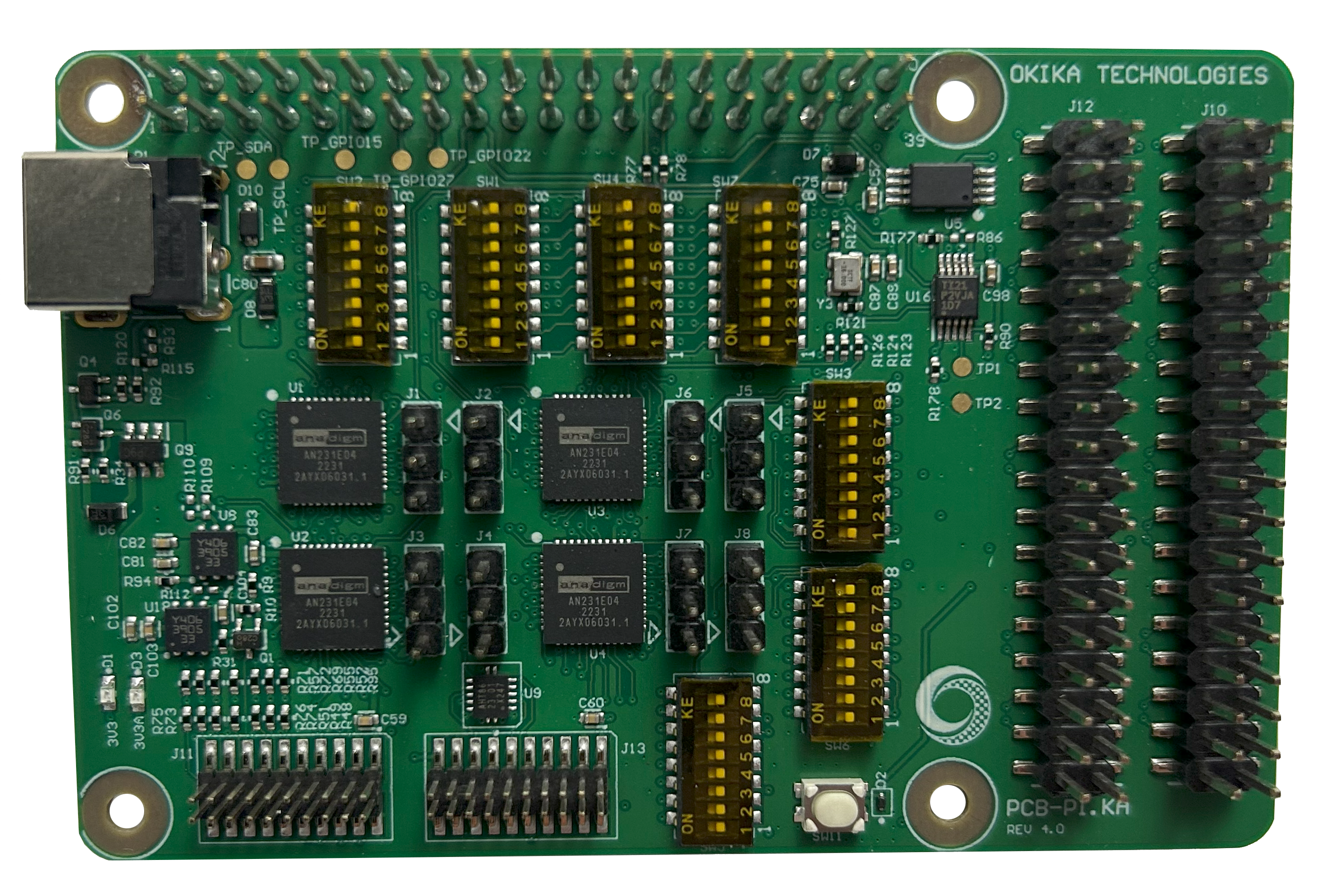
A Field Programmable Analog Array (FPAA) is a reconfigurable analog platform that processes continuous signals directly. Instead of digital logic blocks, it uses configurable analog components such as filters, amplifiers, comparators, and current-mode circuits.
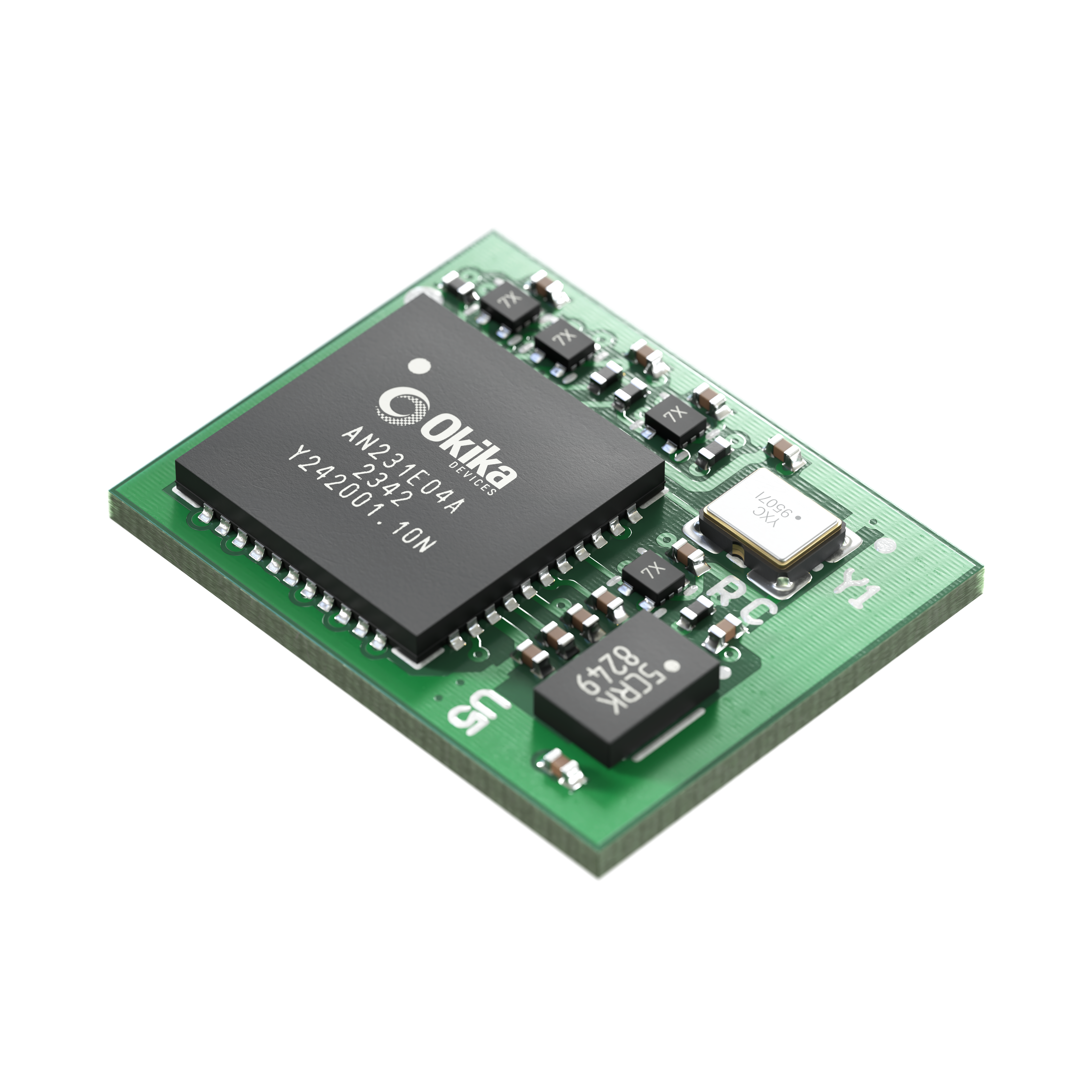
In this work, a floating-gate FPAA was used so that analog configurations could be programmed and retained in silicon.
Key properties of this approach include:
- Continuous-time signal processing
- Low-power operation
- Reduced dependence on digital computation
- Reconfigurable analog signal chains
The FPAA handles early-stage processing locally, reducing the amount of raw data passed to the microcontroller.
System Overview
The system is built around a mixed-signal architecture:
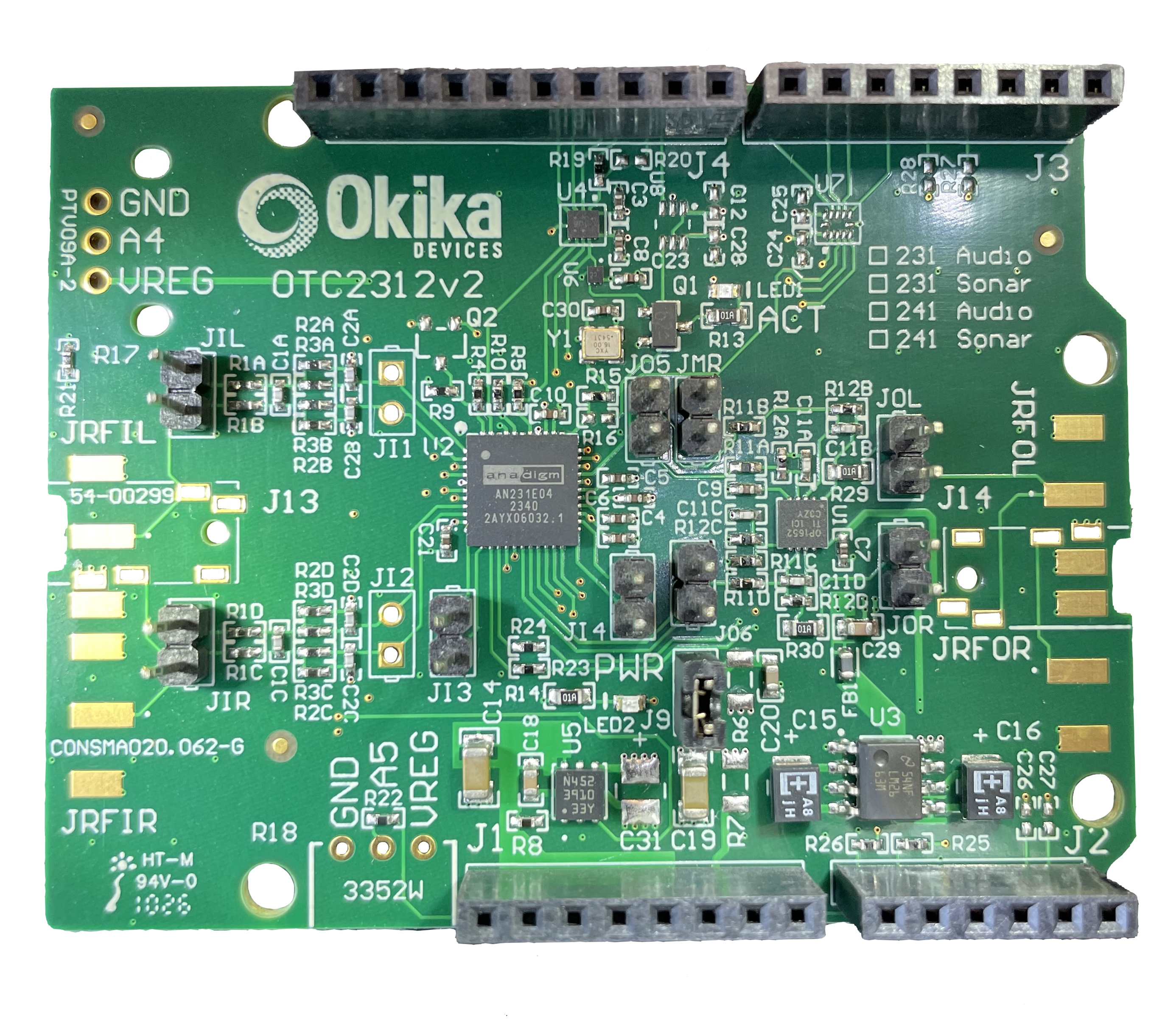
- An analog front-end that injects a 50 kHz current into tissue
- An FPAA-based processing stage for signal conditioning and feature extraction
- A low-power microcontroller for timing and higher-level computation
The analog front-end uses a Wien-Bridge oscillator to generate the excitation signal. Electrodes measure the resulting impedance variations, producing an impedance plethysmography waveform linked to cardiovascular activity.
Instead of forwarding this waveform directly for digital processing, the FPAA performs real-time feature extraction in hardware.
Signal Processing in the FPAA
The FPAA pipeline focuses on extracting meaningful cardiac landmarks from the impedance waveform.
Noise reduction
A low-pass filter (~3 Hz cutoff) removes high-frequency noise while preserving physiological variations.
Waveform shaping
A band-pass stage centered around ~3.5 Hz emphasizes transitions in the signal, improving event detectability.
Event stabilization
A hysteretic differentiator reduces sensitivity to small fluctuations while preserving significant transitions caused by cardiac cycles.
Event generation
Comparator circuits convert analog features into timing events used by the microcontroller for:
- Heartbeat interval measurement
- Landmark detection
- Blood flow variation estimation
- Event-driven data acquisition
This reduces continuous sampling requirements and limits unnecessary digital processing.
Power Consumption
The FPAA-based processing stage operates at extremely low power:
- Low-pass filter: ~0.12 nW
- Band-pass filter: ~7.6 nW
- Hysteretic differentiator: ~1.25 nW
- Comparator network: ~200 nW
Total consumption is approximately 209 nanowatts, enabling long-duration wearable operation. Under typical assumptions, a 3.7 V, 1000 mAh battery could support multi-day continuous use depending on system configuration.
Validation Against Digital Processing
To evaluate performance, the system was tested on approximately 580 seconds of impedance data collected from a healthy subject.
Results were compared with a conventional MATLAB pipeline including filtering, differentiation, peak detection, and cardiovascular parameter extraction.
Despite using different architectures, the FPAA output closely matched digital processing results for key metrics such as heart rate trends and blood volume variation.
Implications for Wearable Biomedical Design
FPAA-based architectures move early signal processing closer to the sensor. This reduces data transfer, lowers digital workload, and enables continuous monitoring at very low power levels.
Because the platform is reconfigurable, the filtering and feature extraction stages can be adjusted after deployment. This makes it possible to calibrate the system for individual subjects, adapt signal conditioning to changing conditions, and rapidly prototype new biomedical algorithms without redesigning the hardware.
Rather than replacing digital systems, FPAA acts as a low-power front-end that handles early signal conditioning before handing off compact features to a microcontroller.
Toward Hybrid Analog-Digital Wearable Systems
This work points toward wearable biomedical systems that combine analog and digital processing. In such architectures, analog hardware performs early-stage filtering and feature extraction, while digital processors handle interpretation and higher-level analysis.
By reducing the volume of raw data that must be digitized and processed, FPAA-based designs improve energy efficiency without sacrificing signal quality. This makes them suitable for long-term cardiovascular monitoring, remote patient tracking, and continuous wearable health applications where power constraints are critical.