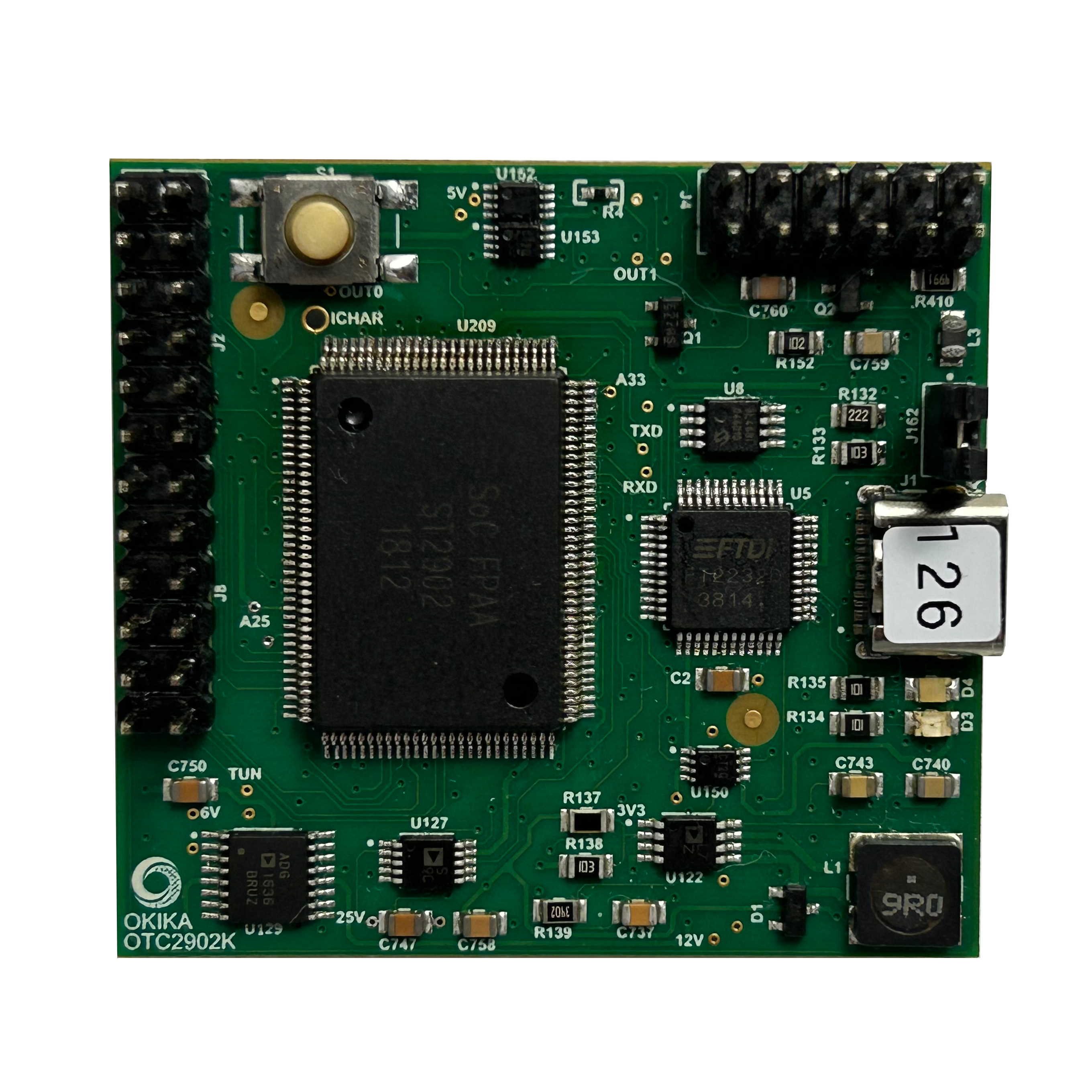

Wearable knee monitoring systems used in rehabilitation must operate continuously while remaining compact, lightweight, and energy efficient. Achieving all three is difficult because continuous sensing and real-time signal processing can quickly overwhelm the power budget of battery-powered devices.
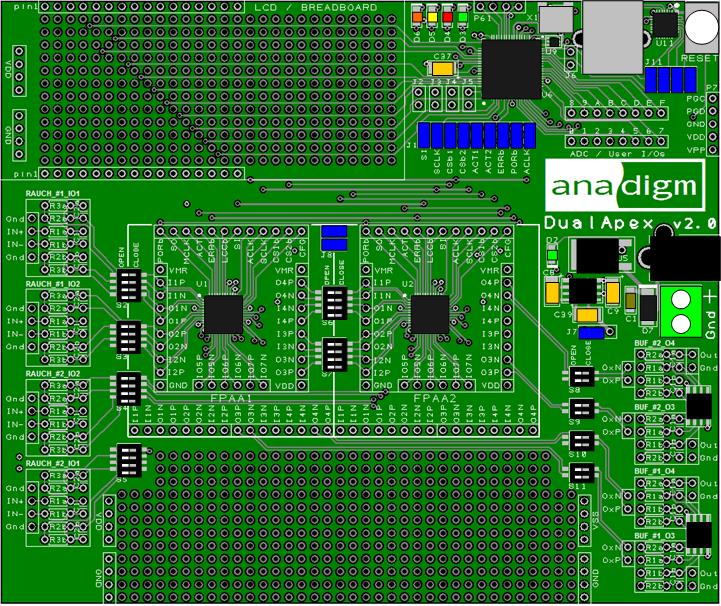
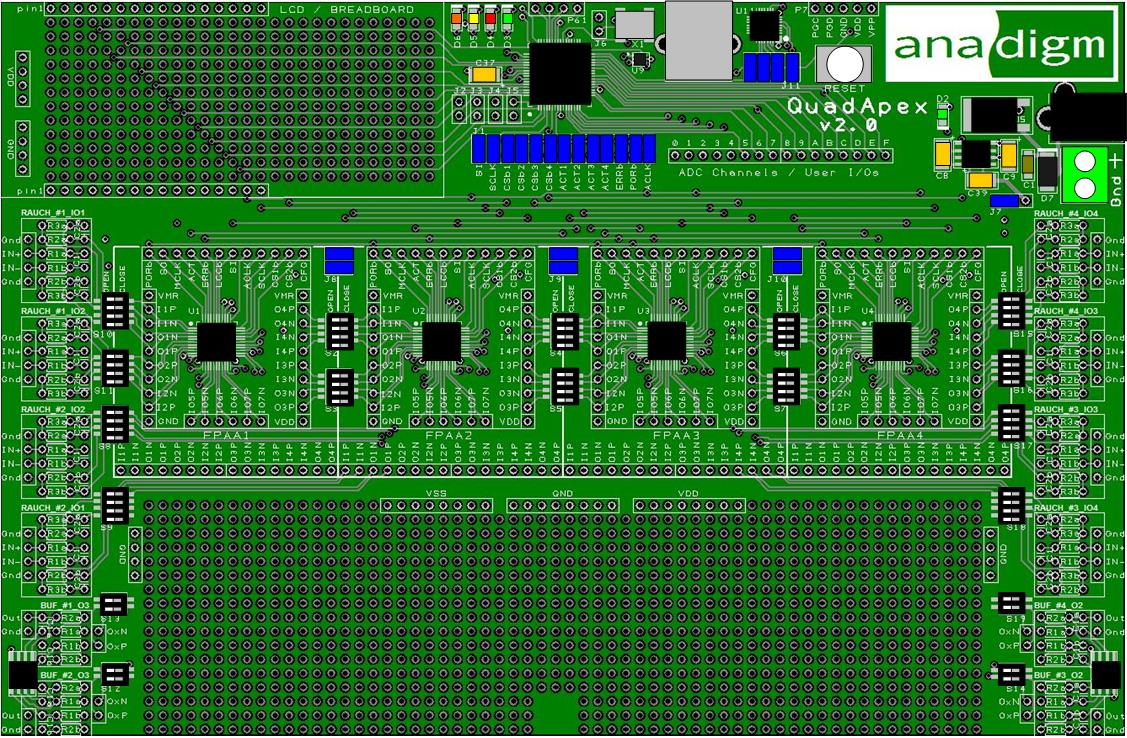
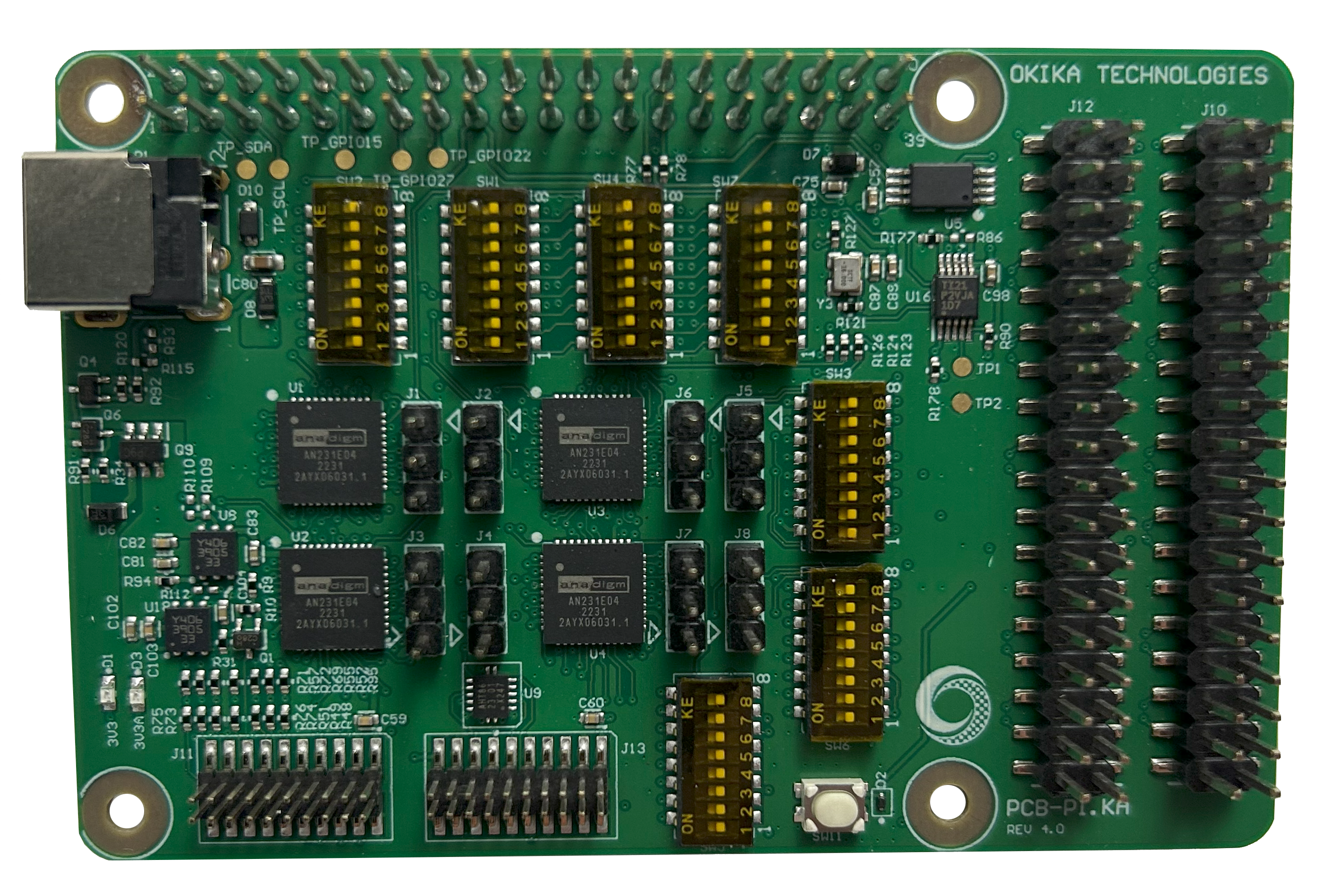
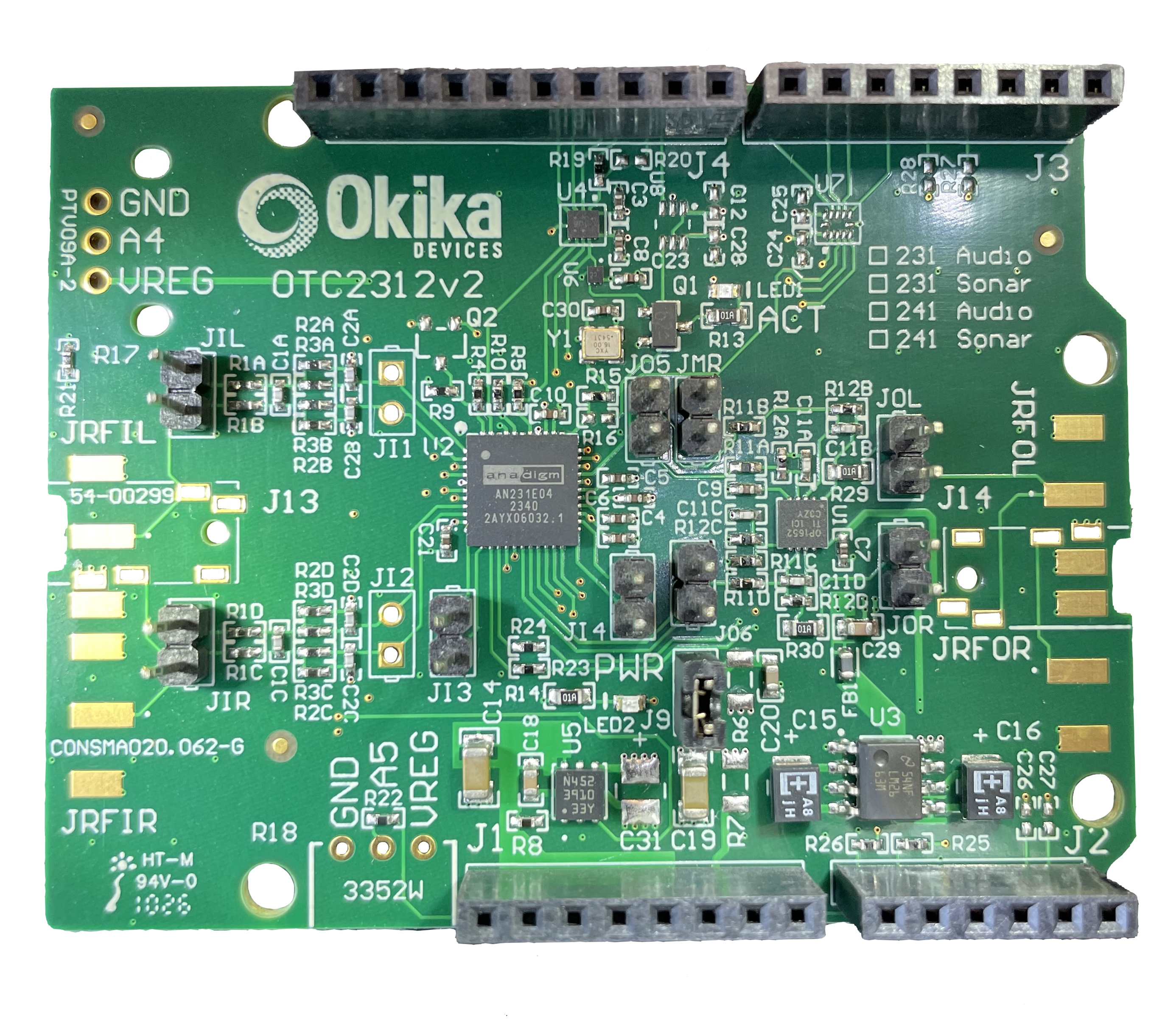
To address this challenge, researchers led by Dr. Hakan Töreyin of the Smart Health Institute at San Diego State University, in collaboration with researchers at Georgia Tech, developed a wearable knee monitoring architecture based on a Field Programmable Analog Array (FPAA). Rather than processing sensor data through a conventional digital pipeline, the system extracts features and classifies motion directly in analog hardware.
The resulting prototype detects knee flexion and extension in real time while consuming only microwatts of power, making it suitable for long-duration rehabilitation monitoring.
Knee Joint Monitoring Challenges
Knee disorders are a common source of mobility impairment among athletes, rehabilitation patients, and older adults. Although wearable sensing technologies have advanced considerably, many clinical assessments still rely on periodic evaluations that provide only a limited view of a patient's day-to-day movement.
Continuous monitoring offers a way to track knee function during normal activities such as walking, sitting, and exercise. One useful source of information is the acoustic emissions generated by the knee joint during movement. These signals often correlate with joint angle and mechanical condition, providing insight into rehabilitation progress and joint health.
The challenge is that continuously recording and analyzing sensor data requires both computation and energy. For wearable devices that must operate for extended periods on battery power, processing every sensor sample is often impractical.
Event-Driven Sensing for Wearable Systems
The system uses an event-driven sensing strategy to reduce power consumption. Rather than processing all incoming sensor data continuously, it monitors for activity associated with meaningful knee motion.
Low-power motion detection runs continuously at the edge. When movement is detected, additional sensing and processing stages can be activated, including acoustic monitoring. This reduces the amount of time that higher-power components remain active while preserving relevant clinical data.
FPAA-Based Signal Processing for Knee Motion Detection
The researchers used a dual-axis accelerometer to measure knee motion. Instead of transmitting raw sensor data to a microcontroller for analysis, the signal is processed directly within the FPAA.
The first stage consists of a bank of band-pass filters covering multiple frequency ranges associated with human motion. Capturing several frequency bands provides a richer representation of knee movement than a single filtered signal.
The filtered outputs pass through amplitude detection and smoothing stages that convert raw accelerometer signals into stable analog features. These features are less sensitive to noise and are more suitable for classification.
The entire feature-extraction chain, including filtering, amplitude detection, and smoothing, operates at sub-microwatt power levels. This makes continuous sensing practical for wearable devices intended to operate for extended periods without recharging.
On-Chip Analog Classification
After feature extraction, the research team performs classification directly on the FPAA using an analog computing structure based on vector-matrix multiplication and winner-take-all decision logic. Functionally, the architecture resembles a simplified neural network implemented in continuous analog hardware.
The classifier distinguishes between motion states such as knee flexion, extension, sit-to-stand transitions, and non-target activities. Classification weights are stored in floating-gate elements, allowing inference to occur entirely on-chip without external processing.
Keeping classification in analog hardware reduces both power consumption and system complexity while maintaining real-time performance.
Performance Evaluation
The researchers evaluated the system using datasets that included walking, sit-to-stand transitions, and repeated flexion-extension movements. The FPAA processing chain produced distinct feature patterns for each activity, enabling reliable real-time classification of knee motion.
Their results show that analog signal processing can perform motion detection and classification tasks typically assigned to digital processors while requiring substantially less energy.
Implications for Rehabilitation Wearables
The architecture moves computation closer to the sensor by performing feature extraction and classification locally rather than transmitting large volumes of raw data to a digital processor.
This reduces power consumption, lowers data bandwidth requirements, and supports event-driven operation. Because the FPAA remains reconfigurable after deployment, filtering parameters and classification behavior can be updated without redesigning the hardware.
For rehabilitation applications, that flexibility allows sensing algorithms to evolve as monitoring requirements change.
Toward Continuous Knee Health Monitoring
Dr. Töreyin and his collaborators demonstrated that FPAA technology can perform motion detection, feature extraction, and classification directly at the sensor level with extremely low power consumption. By reducing reliance on continuous digital processing, the architecture extends battery life while maintaining real-time operation.
Future systems could combine motion sensing with additional modalities such as acoustic monitoring, activating higher-power measurements only when relevant activity is detected. Such architectures could provide continuous rehabilitation metrics outside clinical environments while remaining practical for long-term wearable use.
For rehabilitation monitoring and orthopedic sensing applications, the team's results suggest that FPAA-based analog processing offers an efficient alternative to traditional always-on digital systems operating under strict energy constraints.