




How FPAAs Future-Proof Modern Analog Designs
Field Programmable Analog Arrays (FPAAs) let engineers reconfigure analog circuits without full board redesigns, reducing costs and accelerating prototyping. They enable systems to adapt to changing requirements across aerospace, robotics, medical devices, and IoT. This flexibility future-proofs hardware, extends lifetimes, and maintains performance under evolving conditions.
Read more about: How FPAAs Future-Proof Modern Analog Designs
FPAA vs FPGA: Power-Efficient Analog Flexibility for Embedded Systems
Field Programmable Analog Arrays (FPAAs) bring FPGA-like flexibility to the analog domain, enabling engineers to dynamically configure amplifiers, filters, and routing directly in hardware. Unlike FPGAs, which handle digital logic, FPAAs operate on analog signals to reduce latency, lower power use, and simplify design. Paired with FPGAs, they create hybrid embedded systems that combine adaptive analog processing with digital control for more efficient, reconfigurable, and compact solutions.
Read more about: FPAA vs FPGA: Power-Efficient Analog Flexibility for Embedded Systems
Featured collection
Translation missing: en.general.accessibility.sku
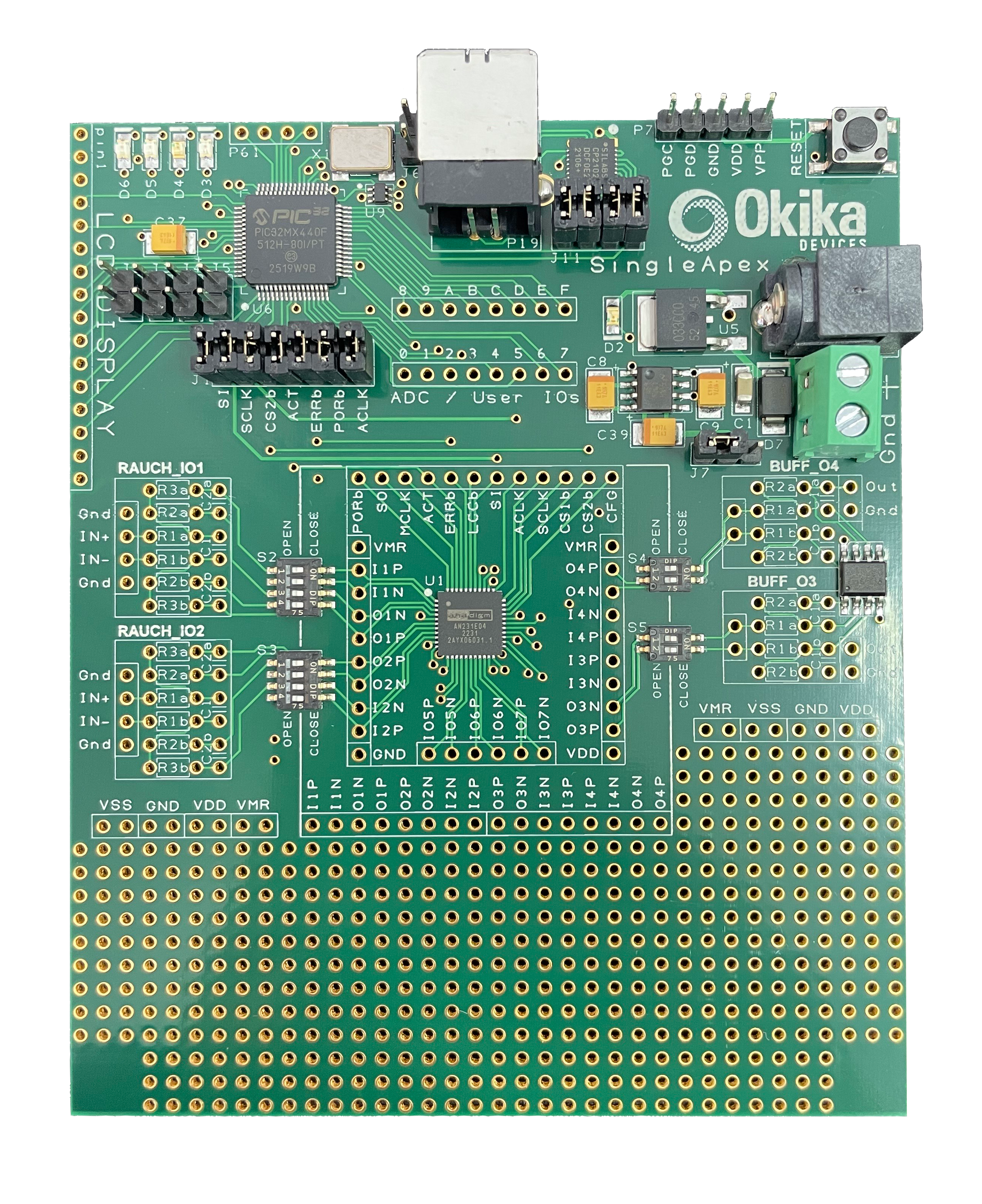
AN231K04-SING1
Translation missing: en.general.accessibility.sku
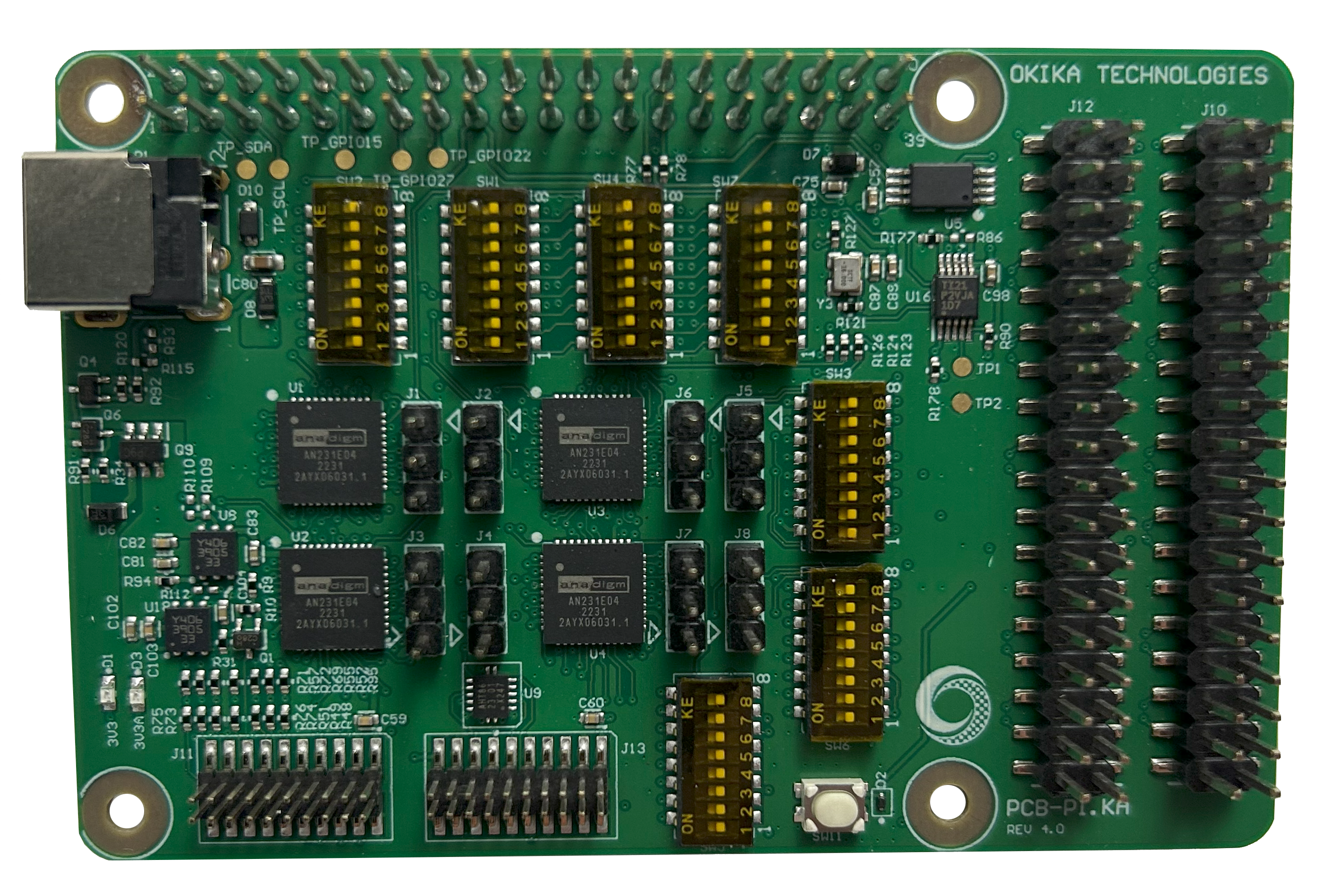
OTC2310K04-PIKA
Translation missing: en.general.accessibility.sku
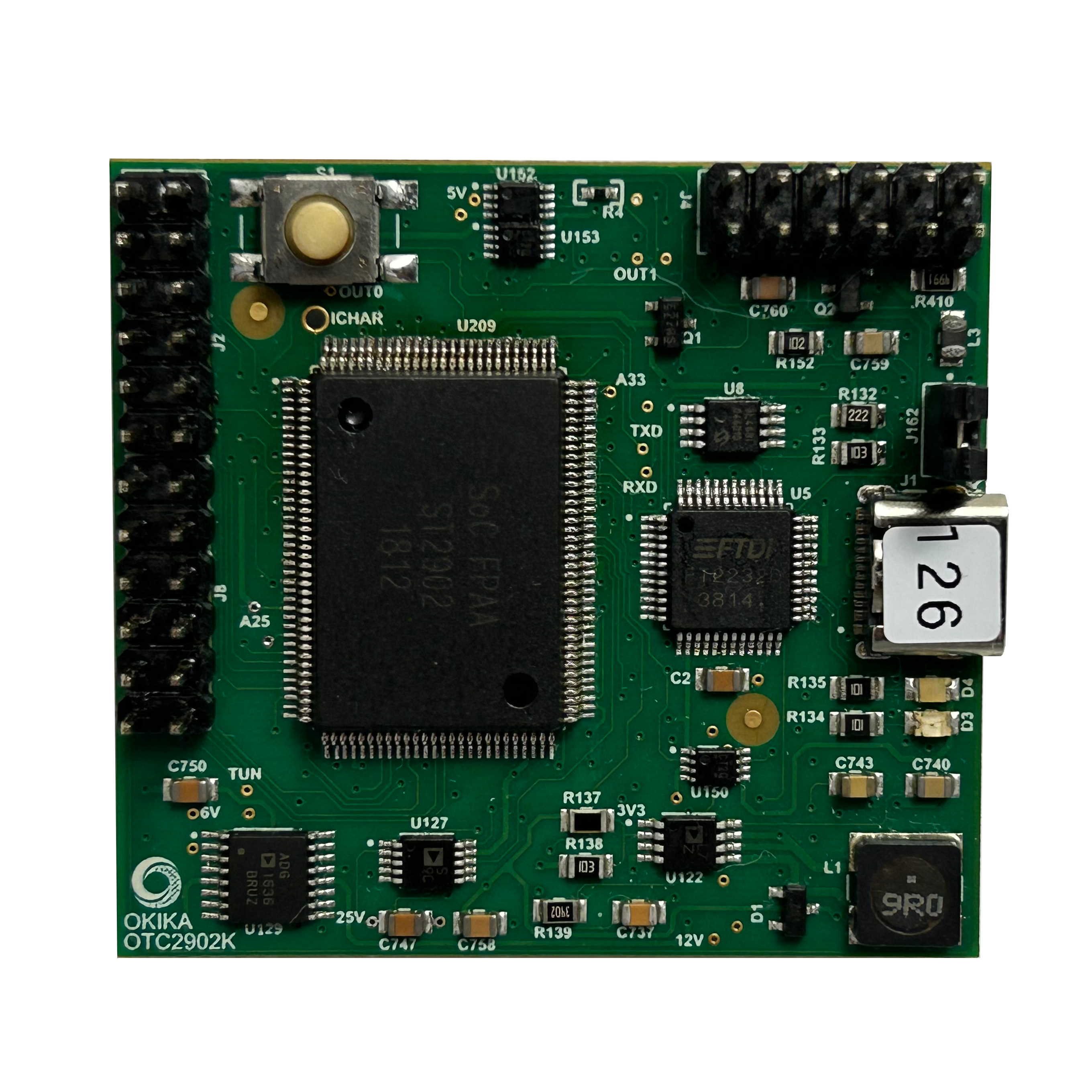
OTC2902K